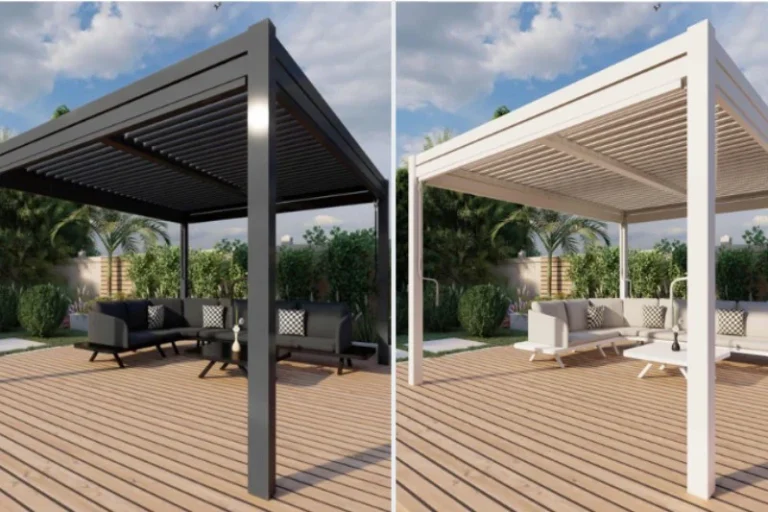
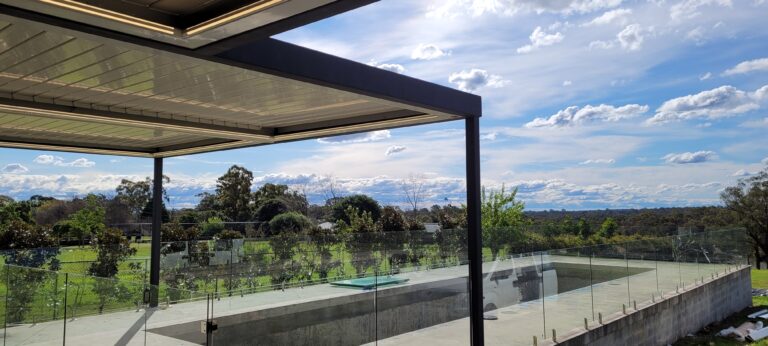
Louvred Patio Roof: Ideas for Shading, Sun & Rain Protection
If you’re considering upgrading your outdoor living area, a louvred patio roof is an excellent solution that brings style, functionality, and year-round usability. In this article we’ll cover everything you need to know about louvred patio roofs, what they are, how they work, ideas for shading, sun & rain protection, benefits, design considerations, installation tips and common FAQs.
What is a Louvred Patio Roof?
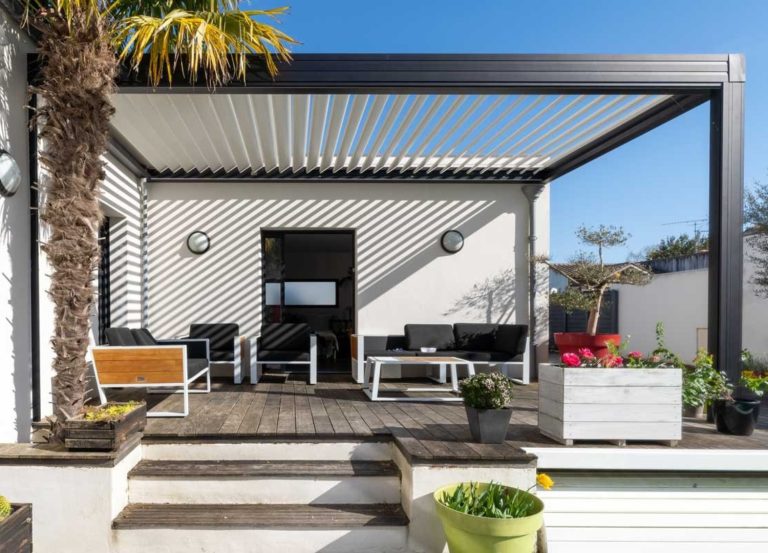
A louvred patio roof is a covered overhead structure for your outdoor space (patio, deck, alfresco) with adjustable slats (or “louvres”) that can be rotated or closed to control sunlight, ventilation and rain protection. Unlike a fixed roof or pergola with rigid panels, the louvres allow dynamic control of the environment beneath. For example: on a hot day you might open the louvres for a breeze, on a rainy day you close them for protection, on a sunny afternoon you tilt them for shade.
Because of this flexible shading and weather-protection behaviour, the system offers ideas for shading, sun & rain protection in one integrated solution.
Why Choose a Louvred Patio Roof?
Shading, Sun & Rain Protection
One of the key advantages of a louvred patio roof is its ability to provide shade when you want it, sun when you want it, and rain protection when the weather changes. For example, high-quality systems feature built-in drainage and weather sensors: when the rain starts, the louvres close automatically and water drains via gutters and posts.
Improved Outdoor Living & Year-Round Use
Because you can control the slats, your outdoor area becomes more usable: you can enjoy a sunny afternoon, switch to shade when the sun becomes too strong, or shelter from a light shower and keep your outdoor furniture dry. This expands the living space and adds value.
Energy & Ventilation Benefits
By shading the patio and adjacent walls/windows, a louvred roof helps reduce solar heat gain inside the home. When the louvres are open, they allow airflow and natural ventilation. Several sources highlight this energy-efficiency benefit.
Aesthetic & Property Value Boost
Modern louvred systems are visually appealing, sleek and can complement contemporary architecture. They also expand the ‘usable’ outdoor footprint of a home, which can increase resale value.
How It Works: Key Components & Features
Adjustable Louvres
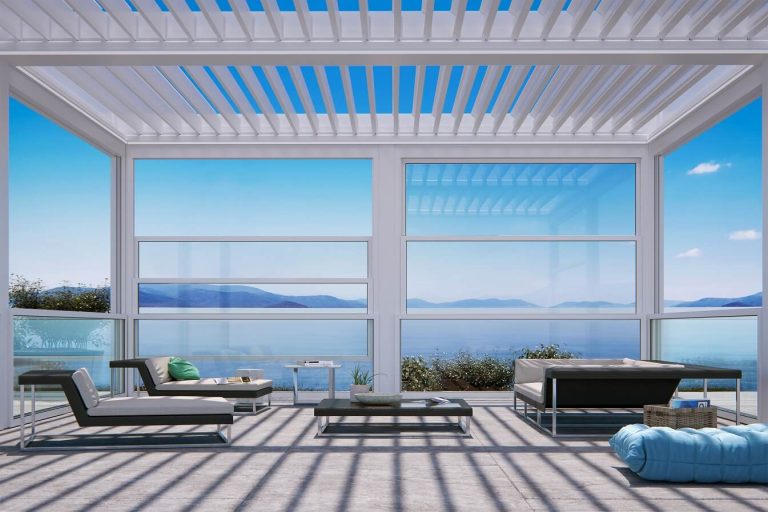
The core feature is the rotating blades (or slats) which can typically tilt through a range of angles (e.g., up to 130° or more) allowing you to modulate light, airflow and protection.
Drainage & Weather Protection
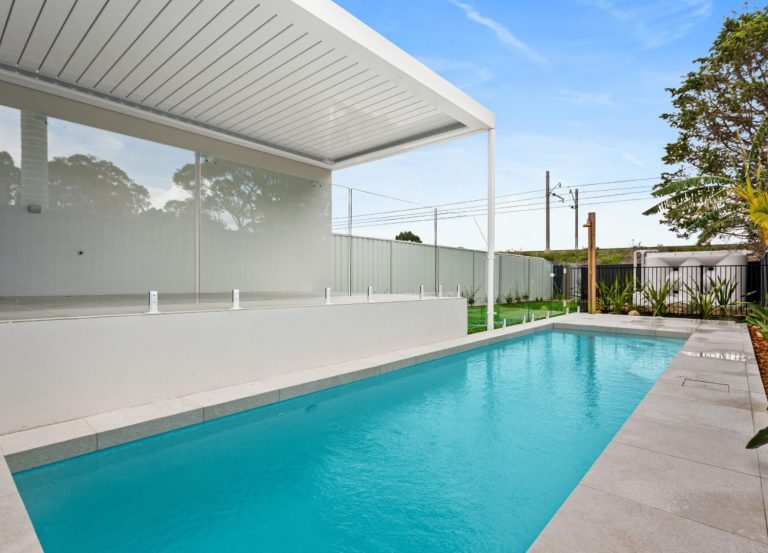
When fully closed, the louvres form a weather-tight cover and water is channelled away via integrated gutters or posts. This ensures that the area beneath stays dry when it rains.
Automation and Sensors
Many systems incorporate motorised operation and sensors for rain, wind or sun. For example, a rain sensor can automatically close the louvres when moisture is detected.
Materials & Structure
High quality systems use powder-coated aluminium for durability, rust-resistance and minimal maintenance. Strong structural profiles allow spans and avoid deflection.
Design Ideas & Considerations for Shading, Sun & Rain Protection
Here are some practical ideas for designing a louvred patio roof to maximise its performance for shading, sun & rain protection:
1. Orientation & Sun Path
2. Louvres Angle Settings for Various Conditions
3. Side Shade & Privacy
To complement overhead coverage, consider installing vertical blinds or screens on the sides. This helps with low-angle sun (morning/evening), wind or side rain. Many systems support side awnings.
4. Material & Finish Choices
5. Drainage Planning
6. Automation for Convenience
7. Lighting & Ambience
8. Furniture & Layout Considerations
Benefits & Key Advantages
Here’s a summary of the key benefits of a louvred patio roof, especially in relation to shading, sun and rain protection:
Choosing the Right Louvred Patio Roof System
When selecting a system, keep these parameters in mind:
Size & Span
Structural Strength & Local Conditions
Control & Automation
Material & Finish
Drainage & Weatherproofing
Side Screens & Shade Options
Budget & ROI
Maintenance Tips
Conclusion
A louvred patio roof offers an elegant and highly functional way to enhance your outdoor living space with ideas for shading, sun & rain protection at the core. With adjustable louvres, you can tailor the outdoor environment to the season, the time of day and the weather, giving you shade when you want it, sun when you want it, and shelter when rain decides to drop by.
When designed and installed correctly, it improves comfort, extends the usable life of your patio, reduces interior heat gain, adds value to your home and gives you a modern, versatile outdoor room.
If you’d like help designing or selecting a louvred patio roof specific to your home (e.g., sizing, tilt angles, materials suited to your climate) I’d be happy to assist.
Frequently Asked Questions
Can a louvred patio roof really provide protection from rain?
How effective is it at blocking the sun and reducing heat?
Quite effective by tilting the louvres you can block direct sun (especially from low angles), reduce glare and heat gain, and allow diffused light and airflow. Some studies show that this helps cool outdoor spaces and adjacent interior zones.
What happens in strong winds?
Good quality systems are engineered for local wind loads. Louvres should be supported appropriately and posts/foundations sized. Some manufacturer guides specify high wind resilience. Always ensure structural certification.
Does it work in winter or cold seasons?
Yes, though shading may be less required, you can open the louvres fully to let in sunlight and warmth, while still having overhead cover. Some systems add heating or lighting for cooler evenings.
How much does it cost compared to a standard fixed patio roof?
The initial cost is usually higher than a fixed roof or pergola, especially if motorised or sensor-equipped. However, the added usability, comfort and potential property value often justify the investment.
Is it better to choose manual or motorised louvres?
What maintenance is required?
Minimal if well-built, clean periodically, check drainage/gutters, inspect fixings, test motors/sensors (if applicable). Avoid stacking debris or leaves on closed louvres.