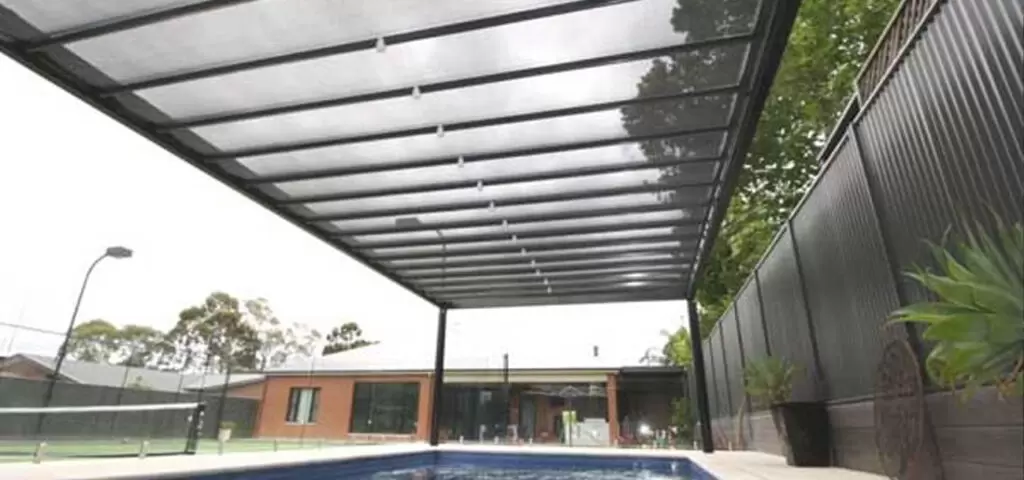
Louvre Roof vs Zip Screen Enclosure: Which Is Better?
Creating a comfortable outdoor living area involves more than choosing stylish furniture. When comparing a Louvre Roof vs Zip Screen, it’s important to understand how each solution improves comfort, shade, and weather protection. Both options can transform a patio, deck, or backyard into a space that can be enjoyed throughout the year. While a louvre roof and a zip screen enclosure serve different purposes, they often work together rather than acting as direct replacements, providing a complete outdoor living solution.
If you’re deciding between a louvre roof and a zip screen enclosure, understanding their features, benefits, and ideal applications will help you choose the best solution for your home or commercial property.
Understanding a Louvre Roof
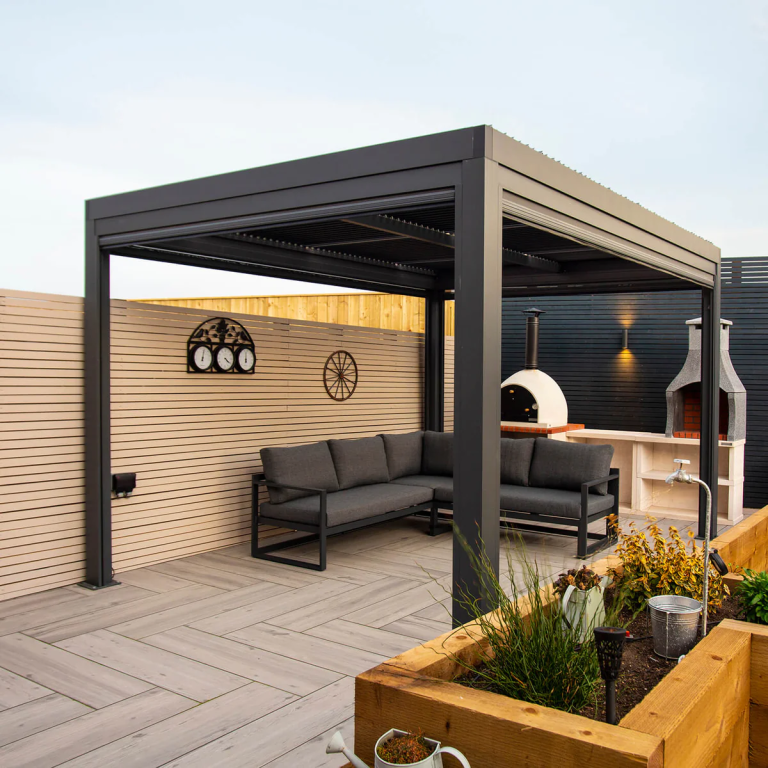
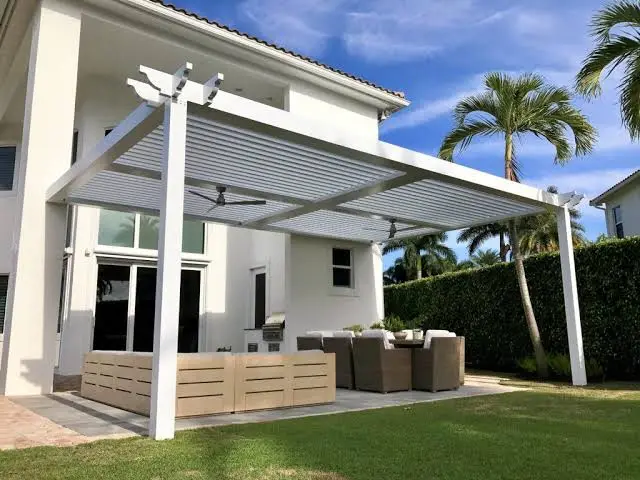
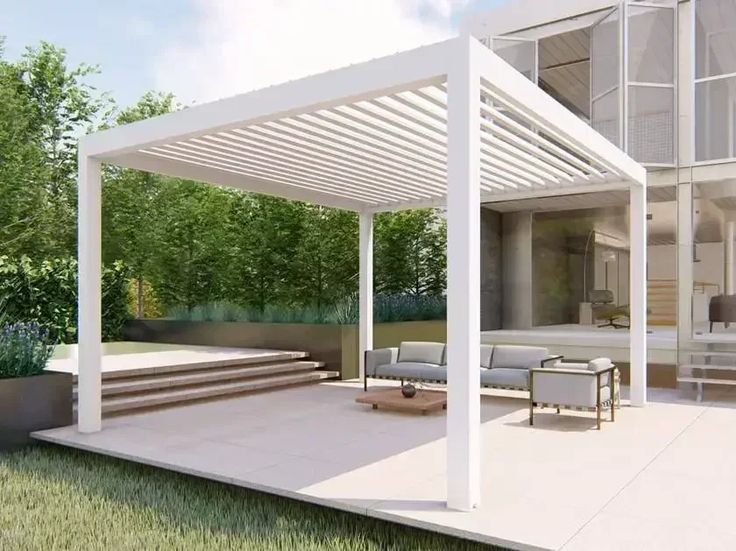
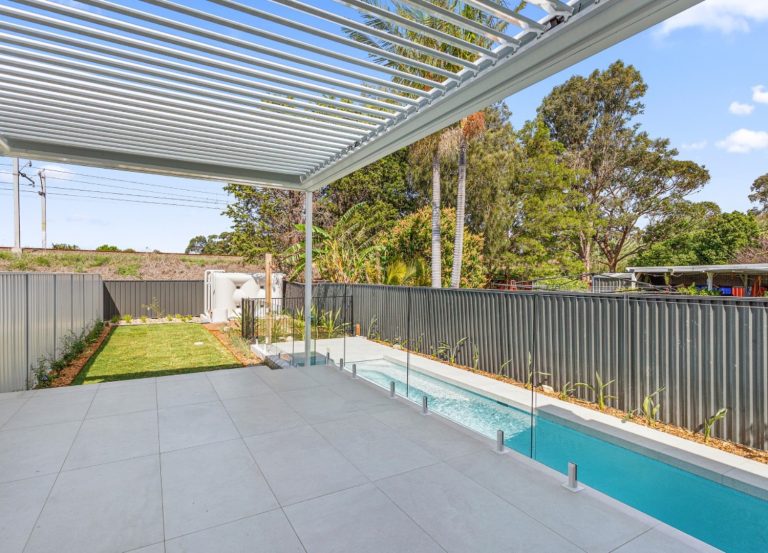
A louvre roof is an adjustable roofing system made from interlocking aluminium blades. The blades rotate to control sunlight, shade, airflow, and ventilation. Many modern systems are motorised, allowing homeowners to operate the roof using a remote control, smartphone app, or integrated smart home system.
When closed, the blades form a weather-resistant roof that helps protect outdoor areas from rain while maintaining a clean, modern appearance.
Benefits of a Louvre Roof
Louvre roofs are commonly installed over patios, outdoor kitchens, entertaining areas, cafés, restaurants, and poolside spaces.
Understanding a Zip Screen Enclosure
A zip screen enclosure uses heavy-duty outdoor fabric that slides vertically within secure side channels. The fabric remains tensioned inside the tracks, providing effective protection from wind, insects, glare, and privacy concerns.
Zip screens can be manually operated or motorised and are often installed around the sides of patios, pergolas, balconies, and outdoor entertaining areas.
Benefits of Zip Screen Enclosures
Unlike a louvre roof, a zip screen protects the sides of an outdoor space rather than the roof.
Key Differences
Although both products enhance outdoor comfort, they perform different functions.
| Feature | Louvre Roof | Zip Screen Enclosure |
| Primary Function | Adjustable overhead roof | Vertical side enclosure |
| Sun Protection | Excellent | Excellent from low-angle sun |
| Rain Protection | High when blades are closed | Moderate, depending on conditions |
| Wind Protection | Limited | Excellent |
| Privacy | Minimal | High |
| Insect Control | No | Yes, with suitable mesh |
| Ventilation | Adjustable roof blades | Adjustable by raising or lowering screens |
| Outdoor Views | Open roof design | Maintained with quality mesh fabrics |
| Automation | Yes | Yes |
Rather than replacing each other, these systems often work together to create a fully protected outdoor room.
Comfort Throughout the Year
Louvre Roof Performance
During summer, adjustable blades allow hot air to escape while controlling direct sunlight. In cooler months, closing the roof provides shelter from light rain and creates a more comfortable outdoor environment.
Zip Screen Performance
Zip screens excel during windy afternoons, offering protection from dust, glare, and insects. They also increase privacy without completely enclosing the space.
When installed together, they create a highly versatile outdoor area suitable for changing weather conditions.
Design Flexibility
Louvre Roof Designs
Modern louvre roofs are available in:
Many systems include optional LED lighting, integrated drainage, heaters, and smart automation.
Zip Screen Designs
Zip screens can be customised with:
Their clean appearance complements modern architectural styles.
Weather Protection
Australian weather can change quickly, making flexible outdoor protection essential.
A louvre roof provides excellent overhead protection from direct sunlight and light to moderate rain. However, strong winds or driving rain entering from the sides may still affect comfort.
Zip screens provide side protection by reducing wind, glare, and rain entering horizontally.
Combining both systems delivers significantly greater weather protection than using either product alone.
Energy Efficiency
Both systems contribute to improved energy efficiency.
A louvre roof reduces solar heat entering adjacent indoor areas by controlling overhead sunlight.
Zip screens reduce heat transfer through windows and outdoor openings while limiting glare and improving airflow management.
Together, they help create cooler outdoor areas and may reduce reliance on indoor cooling systems.
Maintenance Requirements
Louvre Roof Maintenance
Regular maintenance includes:
Zip Screen Maintenance
Recommended maintenance includes:
Both systems require relatively little maintenance when professionally installed.
Which Option Is Best?
A louvre roof is the better choice if your priority is:
A zip screen enclosure is ideal if you want:
If your budget allows, combining both systems creates one of the most comfortable and versatile outdoor living environments available.
Choosing the Right Solution
Before making a decision, consider:
Professional advice can help you design a solution that complements both your property and lifestyle.
Conclusion
When comparing louvre roofs and zip screen enclosures, it becomes clear that they are designed to solve different challenges. A louvre roof delivers adjustable overhead shade, ventilation, and weather protection, while a zip screen enclosure enhances comfort by shielding outdoor spaces from wind, insects, glare, and unwanted visibility.
Rather than choosing one over the other, many homeowners and businesses achieve the best results by combining both systems. This integrated approach creates a stylish, functional, and weather-resistant outdoor area that can be enjoyed in a wide range of conditions, making it a worthwhile investment for modern outdoor living.
Frequently Asked Questions
Can a zip screen replace a louvre roof?
No. A zip screen protects the sides of an outdoor area, while a louvre roof provides adjustable overhead shade and rain protection. They perform different functions.
Can both systems be installed together?
Yes. Many homeowners install a louvre roof with zip screen enclosures to create a comfortable outdoor room that offers shade, ventilation, wind protection, and privacy.
Which provides better rain protection?
A closed louvre roof offers overhead rain protection, while zip screens help reduce rain entering from the sides during windy conditions.
Are both systems available with motorised operation?
Yes. Most premium louvre roofs and zip screen enclosures are available with motorised controls, remote operation, and smart home integration.
Which system requires less maintenance?
Both are relatively low maintenance. Routine cleaning and periodic inspections are usually enough to keep them operating efficiently.
Are these systems suitable for commercial properties?
Absolutely. Restaurants, cafés, hotels, schools, and office buildings frequently install louvre roofs and zip screen enclosures to improve outdoor comfort and extend usable space.