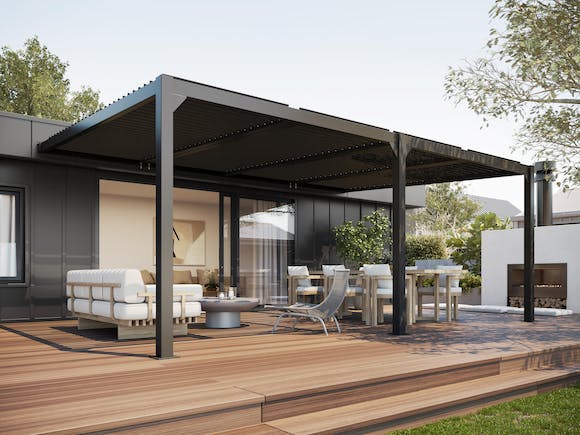
Louvre Roof Load Capacity: Strength & Performance
Modern louvre roof systems are designed to do much more than provide shade. They create versatile outdoor living spaces that can withstand changing weather conditions while delivering exceptional functionality and style. One of the most important yet often overlooked factors when choosing a louvred roof is load capacity.
Understanding louvre roof load capacity helps homeowners, builders, and commercial property owners select a system capable of handling environmental stresses such as wind, rain, and additional structural loads. Whether you’re planning a residential pergola or a large commercial opening roof system, knowing how load capacity affects performance can help ensure long-term durability and safety.
Understanding Louvre Roof Load Capacity
Load capacity refers to the amount of force or weight a louvre roof system can safely support without compromising structural integrity.
A properly engineered louvre roof must withstand a variety of loads, including:
Manufacturers design their systems to meet specific engineering standards based on local building regulations and environmental conditions.
Why Load Capacity Matters
Many homeowners focus on appearance and automation features while overlooking structural performance.
A high-quality louvred roof should provide:
Selecting a system with insufficient load capacity may lead to performance issues, excessive movement, or costly repairs in the future.
Wind Load Performance
Wind is often the most demanding force acting on a louvre roof.
Strong winds create both downward pressure and uplift forces that place significant stress on the blades, frame, posts, and fixings.
Factors affecting wind performance include:
Blade Design
Wider and stronger aluminium blades typically provide greater resistance to flexing under wind loads.
Frame Construction
Heavy-duty beams and reinforced support structures improve overall stability.
Fixing Methods
Secure anchoring systems help distribute wind forces safely throughout the structure.
Installation Quality
Even the strongest louvre roof can underperform if installed incorrectly.
For properties located in coastal regions or high-wind areas, selecting a system with engineered wind ratings is particularly important.
Rain Load Capacity
A closed louvre roof is designed to channel rainwater through integrated drainage systems.
However, during intense storms, the roof must also support temporary water loads until drainage occurs.
High-quality systems feature:
Proper drainage design prevents excessive water accumulation and helps maintain structural performance during heavy rainfall.
Dead Loads and Live Loads
Engineers generally classify loads into two categories.
Dead Loads
Dead loads are permanent weights that remain constant over time.
Examples include:
Live Loads
Live loads vary depending on environmental conditions.
Examples include:
Both load types must be considered when designing a louvre roof structure.
Factors That Influence Load Capacity
Several design elements directly affect how much load a louvre roof can safely support.
Span Length
Longer spans place greater demands on beams and support structures.
Large outdoor areas often require:
Blade Size
Larger blades may offer greater spanning capabilities but must be properly engineered to handle environmental loads.
Material Quality
Premium-grade aluminium provides excellent strength-to-weight performance while resisting corrosion.
Post Configuration
The number and placement of support posts significantly influence structural stability and load distribution.
Roof Dimensions
As roof size increases, engineering requirements become more complex.
Motorised Louvre Roof Load Considerations
Motorised opening roof systems introduce additional engineering requirements.
The motor must operate smoothly under varying conditions while supporting the weight of:
Modern motorised systems are designed to handle these operational loads efficiently while maintaining long-term reliability.
Additional Features and Their Impact
Many homeowners enhance their outdoor living spaces with accessories that contribute to overall loading requirements.
Popular additions include:
LED Lighting Systems
Integrated lighting adds functionality while contributing modest additional weight.
Outdoor Screens
Zip screens and privacy screens can increase wind loading on the structure.
Heaters
Outdoor heating systems require additional support and electrical integration.
Ceiling Fans
In some designs, fans may be installed beneath the structure, requiring engineering consideration.
A qualified installer can determine whether additional reinforcement is required for specific accessories.
Engineering and Compliance
Load capacity should never be based solely on appearance or marketing claims.
Professional engineering assessments typically consider:
Certified engineering ensures the system complies with relevant building standards while delivering reliable long-term performance.
Signs of a Strong Louvre Roof System
When comparing products, look for features that indicate superior load performance.
These include:
Investing in a well-engineered system often results in lower maintenance costs and greater long-term value.
Choosing the Right System for Your Property
Every outdoor space presents unique structural requirements.
Consider the following:
A custom-engineered solution often provides the best balance of performance, aesthetics, and durability.
Conclusion
Louvre roof load capacity plays a critical role in determining the safety, reliability, and longevity of an outdoor roofing system. While design and automation features are important, structural performance should always be a priority when selecting a louvred roof or opening roof system.
By understanding factors such as wind loads, rain loads, span requirements, and material strength, property owners can make informed decisions and invest in a system that performs reliably for years to come. A properly engineered louvre roof not only enhances outdoor living but also provides confidence that the structure can handle the demands of everyday use and challenging weather conditions.
Frequently Asked Questions
What is louvre roof load capacity?
Louvre roof load capacity refers to the amount of weight and environmental force a louvred roof system can safely withstand while maintaining structural integrity.
Can a louvre roof handle heavy rain?
Yes. Quality louvre roof systems are designed with integrated drainage channels, gutters, and downpipes to manage heavy rainfall effectively.
How does wind affect a louvre roof?
Wind creates pressure and uplift forces on the roof structure. Proper engineering and installation help ensure the system can withstand local wind conditions.
Do larger louvre roofs require more structural support?
Generally, larger spans require stronger beams, larger blade profiles, or additional support posts to maintain stability.
Does motorisation impact load capacity?
Motorised systems are specifically engineered to operate blade assemblies efficiently while supporting the additional weight of motors, controls, and automation components.