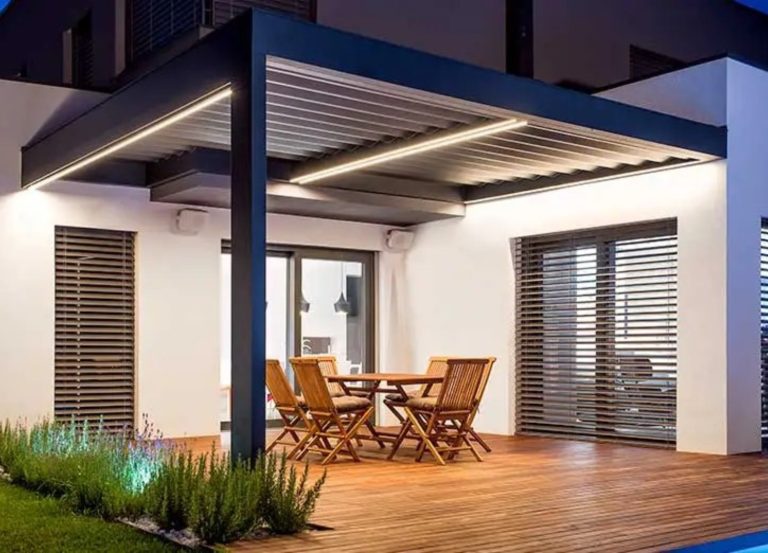
Louvre Roof Overview: Types, Benefits & Applications for Outdoor Living
What Is a Louvre Roof?
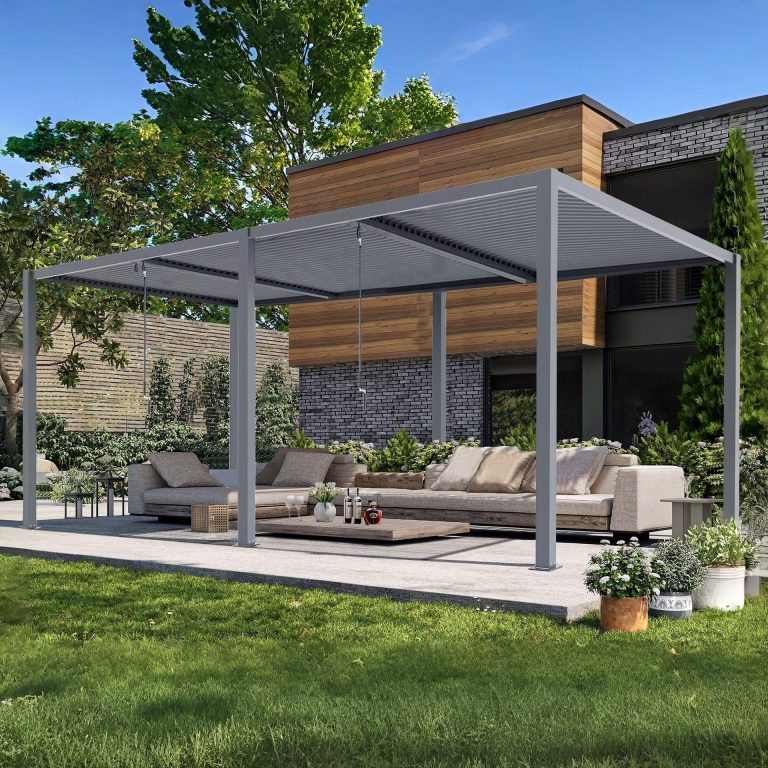
A louvre roof overview is the explaination of Types, Benefits & Applicaions. It is an innovative outdoor shading system designed to provide flexible control over sunlight, ventilation, and weather protection. It features movable horizontal blades (louvers) that can be tilted or fully closed to create the perfect outdoor environment, whether you want sunshine, shade, or shelter from rain.
Made from durable materials like powder-coated aluminium or steel, a louvre roof transforms outdoor spaces such as patios, decks, and courtyards into comfortable, all-weather living zones. Also known as a bioclimatic pergola, it intelligently adapts to Australia’s changing weather, ensuring comfort and energy efficiency all year round.
How Does a Louvre Roof Work?
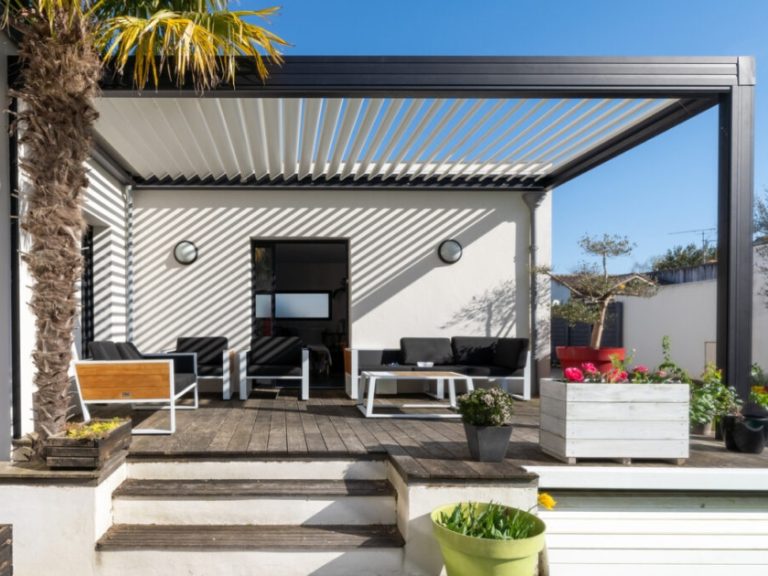
The working principle of a louvre roof is simple yet highly effective. The roof comprises adjustable slats or blades that can be rotated up to 180 degrees. When open, the slats allow natural airflow and sunlight; when closed, they form a watertight seal that protects against rain.
Manual Vs Motorised Louvre Roofs
Smart Control Integration
Many modern motorised louvre roof systems integrate with smart home technologies such as Alexa, Google Home, or Somfy controls. This allows hands-free operation and automation for the ultimate outdoor convenience.
Types of Louvre Roof Systems
1. Fixed Louvre Roof
A fixed louvre roof has stationary blades set at a specific angle. It offers consistent shade and ventilation but doesn’t allow adjustable control. It’s ideal for areas that require constant sun protection, such as carports or garden walkways.
2. Adjustable Louvre Roof
The most popular option, the adjustable louvre roof, allows full control over blade angles to regulate sunlight, airflow, and rain protection. You can tilt the blades open for ventilation or close them completely for waterproof coverage.
3. Motorised Louvre Roof
A motorised louvre roof system is operated electronically and often includes smart sensors that automatically adjust to the weather. These are perfect for luxury patios, commercial terraces, and high-end outdoor areas.
4. Bioclimatic Louvre Roof
A bioclimatic pergola (or bioclimatic louvre roof) uses advanced technology to regulate temperature naturally, providing a comfortable environment throughout the seasons. It’s ideal for Australian climates, especially in sunny and humid regions like Queensland.
5. Retractable Louvre Roof
This system allows the entire louvre section to retract completely, offering a full sky view when desired. It combines the benefits of a pergola and open-air roof, making it perfect for entertainment spaces.
Materials Used in Louvre Roof Construction
The performance and longevity of a louvre roof depend heavily on the material used in its construction.
Aluminium Louvre Roof
Composite Louvre Roof
Key Benefits of a Louvre Roof
1. Year-Round Outdoor Enjoyment
With an adjustable louvre roof, you can enjoy your outdoor space in all weather conditions. Tilt the blades for fresh air and sunshine or close them during rain for full protection.
2. Energy Efficiency
A bioclimatic louvre roof helps regulate temperature naturally, reducing the need for artificial cooling or heating. This can lower energy bills and make your home more sustainable.
3. Adds Property Value
Installing a motorised aluminium louvre roof not only enhances aesthetics but also increases your property’s value by adding a functional, luxury outdoor living space.
4. Complete Weather Protection
When closed, the interlocking blades create a watertight seal, and rainwater is channelled through an integrated gutter system, keeping the area dry and clean.
5. Customisable Design
From colours and blade profiles to lighting and sensors, louvre roof systems can be customised to match your architectural style and lifestyle needs.
6. Minimal Maintenance
Powder-coated aluminium blades are resistant to rust, corrosion, and UV damage, requiring only occasional cleaning.
Residential Vs Commercial Louvre Roofs
Residential Louvre Roofs
For homeowners, louvre roofs create versatile spaces for relaxation, dining, or entertaining. Whether it’s a patio, courtyard, or poolside area, a residential louvre roof transforms your outdoor lifestyle.
Popular residential applications include:
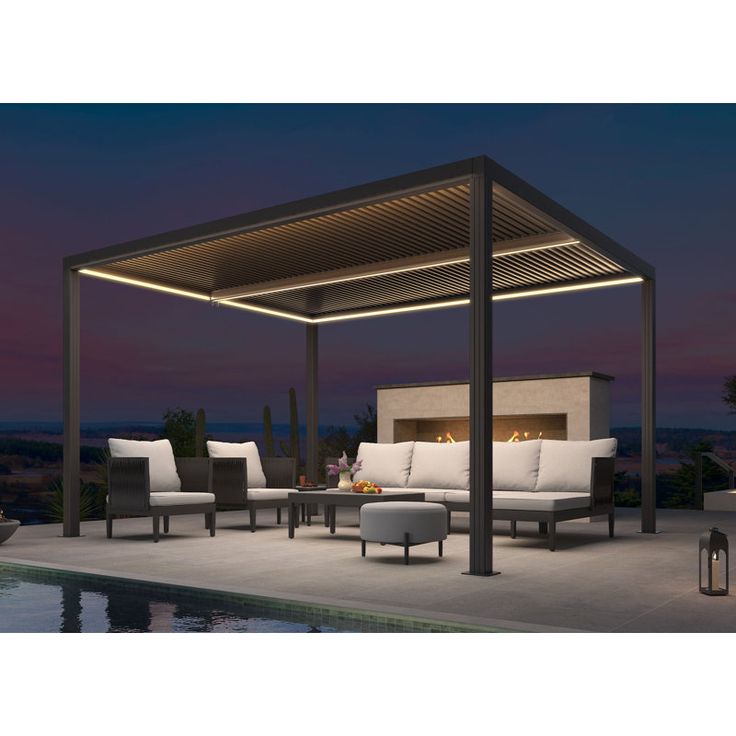
Optional upgrades like LED lighting, integrated fans, or heating systems allow you to enjoy the space day and night, all year round.
Commercial Louvre Roofs
Businesses such as cafes, restaurants, and resorts use commercial-grade louvre roof systems to create comfortable and weather-resistant outdoor seating areas. The ability to adjust light and ventilation ensures customer comfort in any season.
Common commercial uses include:
A commercial motorised louvre roof not only enhances the ambiance but also boosts revenue by increasing usable space throughout the year.
Design and Installation Considerations
When planning to install a louvre roof system, it’s essential to evaluate several factors:
1. Site Orientation
Consider how much direct sunlight and wind exposure the area receives to determine the optimal louvre angle and direction.
2. Material Choice
For coastal regions, aluminium louvre roofs are best due to their corrosion resistance and lightweight structure.
3. Operation Type
Choose between manual or motorised control, depending on your budget and convenience preferences.
4. Drainage System
Ensure the design includes a built-in gutter and downpipe system to manage rainwater efficiently.
5. Professional Installation
While DIY louvre roof kits exist, professional installation guarantees precision, safety, and warranty coverage.
Customisation & Smart Features
Modern louvre roof systems can be equipped with a wide range of add-ons to enhance usability and style:
These features make your outdoor area an extension of your living space, perfect for entertaining or relaxing in luxury.
Sustainability and Environmental Impact
Louvre roofs support sustainable living through:
For environmentally conscious homeowners, a bioclimatic aluminium louvre roof aligns perfectly with sustainable architecture trends in Australia.
Common Applications of Louvre Roofs
Outdoor Entertaining Areas
Enjoy BBQs, gatherings, or evening dinners with flexible shade and weather control.
Poolside Covers
Keep poolside areas protected from harsh sunlight or unexpected showers.
Commercial Hospitality Spaces
Create inviting, weatherproof dining or lounge zones for customers.
Courtyards and Gardens
Enhance outdoor aesthetics with adjustable natural light and airflow.
Balconies and Rooftops
Maximise the use of high-rise spaces with sleek, weather-protected designs.
Maintenance Tips for Long-Term Performance
Proper care ensures your louvre roof system retains its function and appearance for decades.
Conclusion
A louvre roof system is more than an architectural feature,it’s a lifestyle upgrade that brings comfort, elegance, and practicality to any outdoor space. Whether you choose a motorised aluminium louvre roof for your home patio or a bioclimatic louvred roof for your café, the result is a stylish, weather-proof area you can enjoy year-round.
With smart automation, durable materials, and energy-efficient performance, a louvre roof redefines outdoor living in Australia, making it the perfect choice for modern homes and businesses alike.
Frequently Asked Questions
What is the lifespan of a louvre roof?
A premium aluminium louvre roof can last between 20–25 years with minimal maintenance.
Is a louvre roof completely waterproof?
Yes. When the blades are closed, they interlock tightly and direct water through concealed gutters, providing a watertight surface.
Can a louvre roof be installed on an existing patio?
Absolutely. Most systems can be retrofitted onto existing patios or decks, depending on structural compatibility.
How much does a motorised louvre roof cost in Australia?
Costs vary depending on size, materials, and features.
What’s the difference between a pergola and a louvre roof?
A pergola has a fixed open-top structure, while a louvre roof offers adjustable blades for full weather control.
Can I integrate lights and fans into my louvre roof?
Yes. Many modern systems include LED lighting, ceiling fans, and heaters for enhanced usability.
Do louvre roofs need council approval in Australia?
In most cases, yes. It’s best to check local council regulations before installation, especially for attached or large structures.
Are louvre roofs suitable for coastal regions?
Yes. Powder-coated aluminium roofs are perfect for coastal climates as they resist rust and corrosion.
Can I control my louvre roof with a smartphone?
Yes, if your system supports smart home integration (such as Somfy or Zigbee), you can control it via an app or voice assistant.
Are DIY louvre roof kits worth it?
DIY kits can work for small projects, but professional installation ensures safety, alignment, and durability.