Attached Pergola vs Freestanding Pergola: Which Is Best?
A pergola is one of the most effective ways to transform an outdoor area into a functional and stylish living space. Whether you’re creating a shaded patio, extending your entertaining area, or enhancing your backyard, choosing the right pergola design is an important decision. One of the most common comparisons homeowners make is attached pergola vs freestanding pergola.
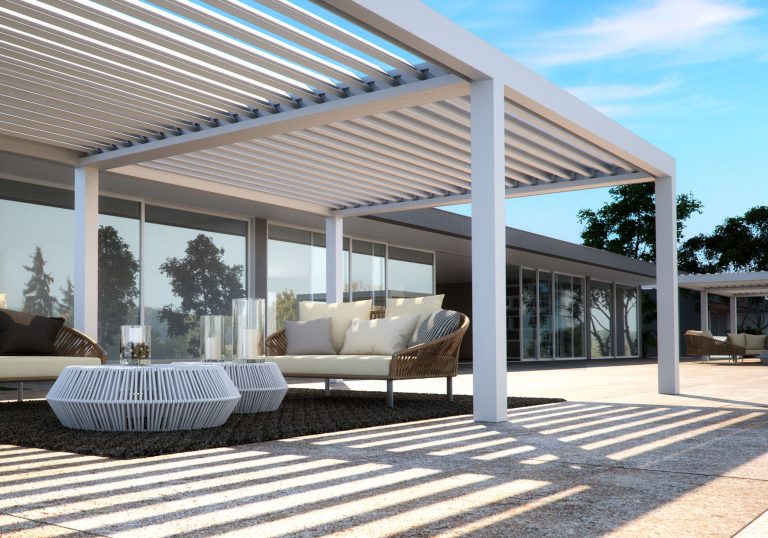
While both options provide shade, improve outdoor comfort, and increase property appeal, they differ in design, installation, flexibility, and intended use. An attached pergola creates a seamless extension of your home, whereas a freestanding pergola offers greater placement flexibility and can become a striking focal point in your landscape.
This guide compares attached and freestanding pergolas in detail, helping you decide which option best suits your lifestyle, property, and budget.
Understanding the Difference Between Attached and Freestanding Pergolas
Although both structures share many similarities, their installation methods and purposes are quite different.
What Is an Attached Pergola?
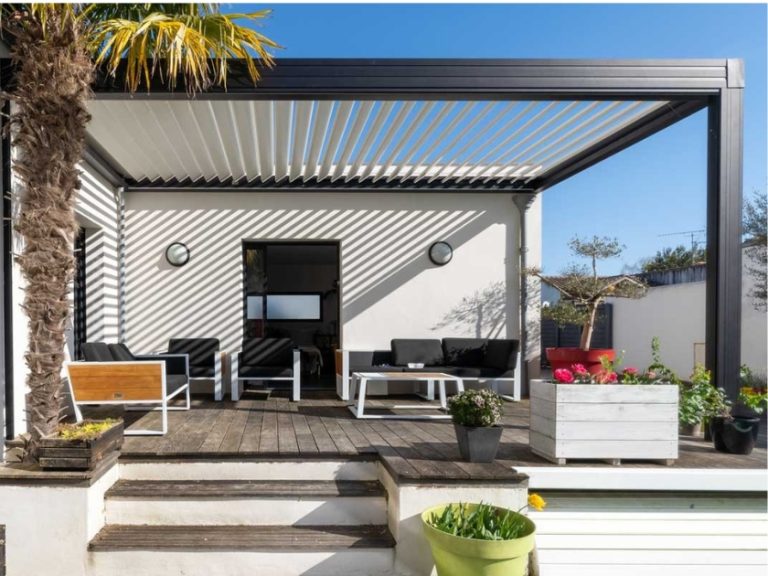
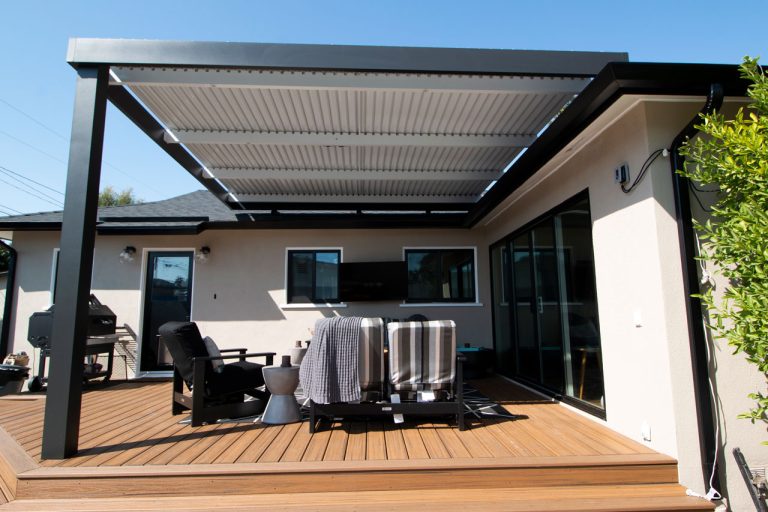
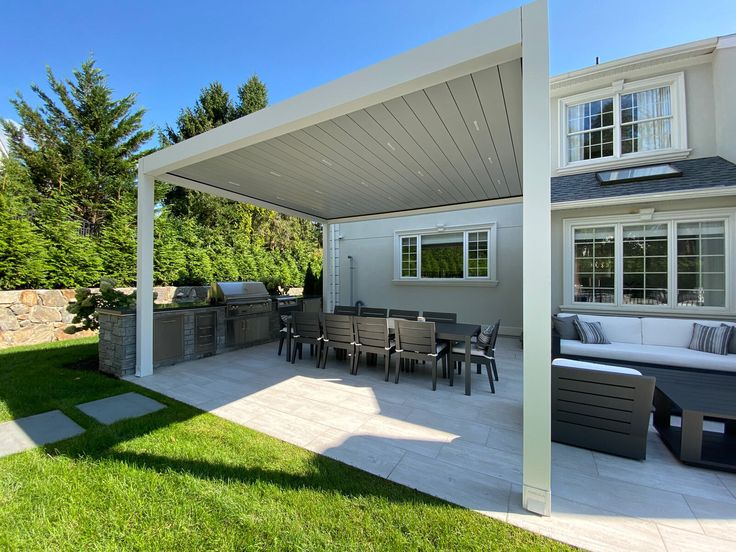
An attached pergola is connected directly to your home’s exterior wall or roof structure. It extends your indoor living space into the outdoors, creating a seamless transition between your home and your patio or backyard.
Attached pergolas are commonly installed over:
Because they integrate with the existing building, attached pergolas often create a cohesive architectural appearance.
What Is a Freestanding Pergola?
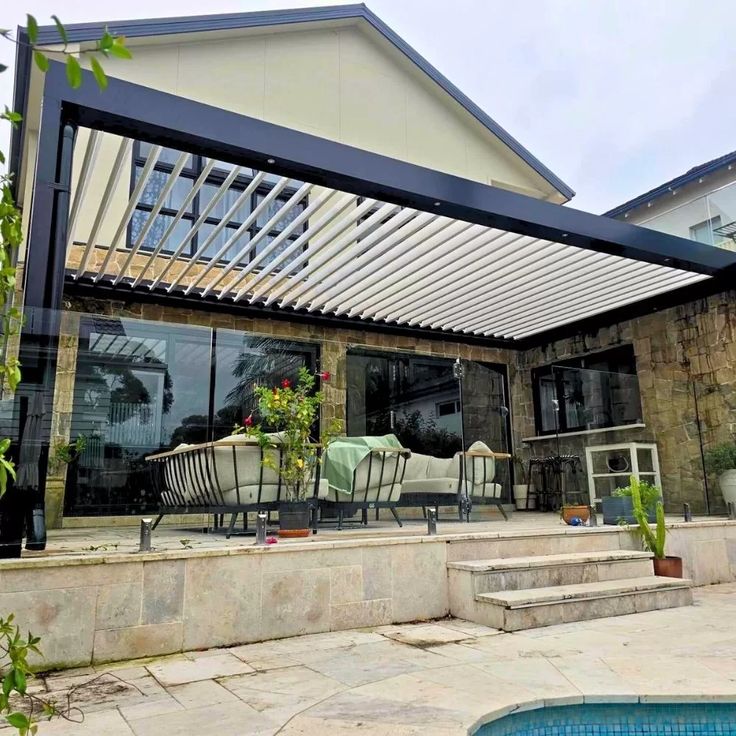
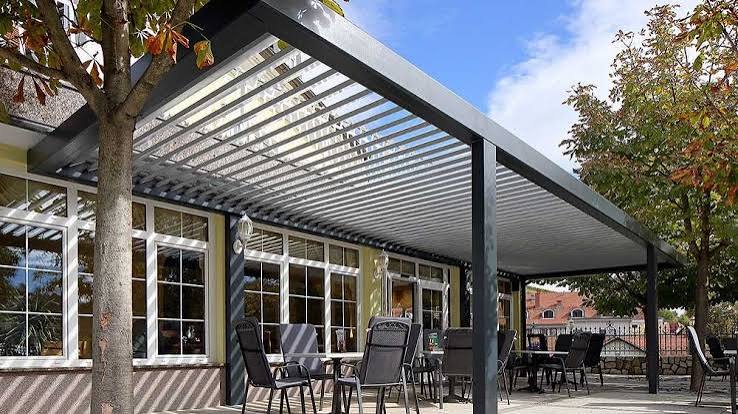
A freestanding pergola is a completely independent structure supported by its own posts. It can be installed almost anywhere on your property without being connected to the house.
Freestanding pergolas are ideal for:
Their flexibility makes them suitable for creating dedicated outdoor rooms.
Comparing Design Flexibility: Which Pergola Offers More Freedom?
The placement and design flexibility of your pergola can significantly affect how you use your outdoor space.
Attached Pergolas Create a Natural Extension of Your Home
An attached pergola blends seamlessly with your existing architecture.
Benefits include:
This makes attached pergolas particularly popular for modern homes focused on indoor-outdoor living.
Freestanding Pergolas Can Be Positioned Almost Anywhere
Because they don’t rely on the house for support, freestanding pergolas can be installed wherever shade is needed.
They work well as:
This flexibility allows homeowners to maximise the use of larger properties.
Shade and Weather Protection: Which Pergola Performs Better?
Both pergola types provide excellent shade, but their performance depends more on the roofing system than the supporting structure.
Attached Pergolas for Everyday Outdoor Living
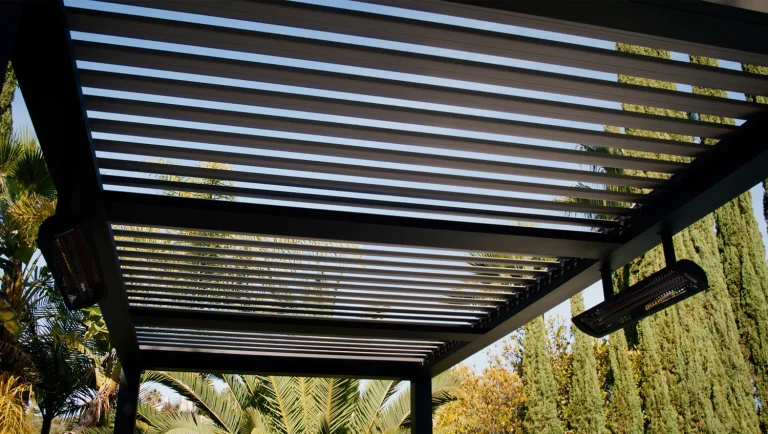
Modern attached pergolas often feature:
These options allow you to control sunlight, airflow, and rain protection throughout the year.
Freestanding Pergolas for Flexible Outdoor Comfort
Freestanding pergolas can also be fitted with advanced roofing systems, making them equally suitable for all-weather outdoor living.
Popular additions include:
Installation Differences: Which Pergola Is Easier to Build?
Installation requirements vary depending on the type of pergola and your property’s layout.
Installing an Attached Pergola
An attached pergola requires secure connection to your home’s structure.
Professional installation is recommended to ensure:
Installation often involves fewer support posts, which can create a more open appearance.
Installing a Freestanding Pergola
Freestanding pergolas rely entirely on their own support posts and foundations.
Installation usually includes:
Although installation may require additional groundwork, it offers greater design freedom.
Which Pergola Is Better for Small or Large Backyards?
The available space often determines the most practical choice.
Attached Pergolas Maximise Smaller Outdoor Areas
If you have a compact backyard or patio, an attached pergola helps maximise usable space by extending your existing living area without occupying unnecessary garden space.
They work especially well for:
Freestanding Pergolas Suit Larger Landscapes
Freestanding pergolas are ideal for spacious properties where homeowners want to create separate outdoor zones.
Examples include:
Materials Available for Both Pergola Styles
Regardless of the design you choose, selecting durable materials is essential.
Aluminium Pergolas for Low Maintenance
Aluminium has become one of the most popular pergola materials because it offers:
It’s particularly suitable for coastal and humid environments.
Timber Pergolas for Natural Character
Timber pergolas create warmth and timeless appeal.
They complement:
Regular sealing and staining help preserve their appearance.
Steel Pergolas for Heavy-Duty Performance
Steel pergolas provide exceptional strength and are commonly used for:
Protective coatings help prevent corrosion.
Maintenance Requirements: Which Pergola Is Easier to Maintain?
Ongoing maintenance depends primarily on the construction material.
Caring for an Attached Pergola
Routine maintenance includes:
Maintaining a Freestanding Pergola
Freestanding pergolas require similar maintenance, with additional attention given to:
Proper care extends the lifespan of both pergola types.
Cost Comparison: Attached Pergola Vs Freestanding Pergola
The total cost varies based on size, materials, roofing system, and installation.
Attached Pergola Costs
Attached pergolas may require fewer structural supports, which can reduce material costs. However, connecting the structure to your home often requires additional engineering and waterproofing.
Freestanding Pergola Costs
Freestanding pergolas generally require more posts and foundations, increasing installation costs. However, they offer greater flexibility and can be installed without modifying the existing building.
Requesting a customised quote is the best way to understand the total investment for your project.
Attached Pergola: Pros and Cons
Advantages of an Attached Pergola
Potential Drawbacks
Freestanding Pergola: Pros and Cons
Benefits of a Freestanding Pergola
Potential Limitations
How to Choose Between an Attached and Freestanding Pergola
Before making your decision, consider the following questions:
Your answers will help determine which pergola style best meets your needs.
Conclusion
Choosing between an attached pergola and a freestanding pergola depends on how you plan to use your outdoor space. If you want a seamless extension of your home for alfresco dining and everyday entertaining, an attached pergola is an excellent choice. If you prefer a standalone outdoor retreat that can be positioned anywhere in your yard, a freestanding pergola offers unmatched flexibility and design freedom.
Both styles can significantly improve your outdoor lifestyle, increase usable living space, and enhance the value of your property. By selecting the right materials, roofing system, and professional installation, you’ll enjoy a durable and attractive outdoor structure for many years.
Frequently Asked Questions
What is the main difference between an attached and a freestanding pergola?
An attached pergola is connected to your home’s structure, while a freestanding pergola is a standalone structure supported by its own posts and can be installed anywhere on your property.
Which pergola is better for small backyards?
Attached pergolas are generally better for smaller spaces because they extend your home’s outdoor living area without taking up additional garden space.
Can a freestanding pergola be installed next to a house?
Yes. Although it doesn’t need to be attached to the home, a freestanding pergola can be positioned close to the house while remaining structurally independent.
Which pergola is more affordable?
Costs vary depending on size, materials, and design. Attached pergolas may use fewer support posts, while freestanding pergolas often require additional foundations. A custom quote provides the most accurate comparison.
Can both pergola types have louvre roofs?
Yes. Attached and freestanding pergolas can both be fitted with motorised louvre roofs, retractable canopies, insulated roof panels, and integrated drainage systems.
Which pergola adds more value to a home?
Both styles can increase property value by enhancing outdoor living. An attached pergola often appeals to buyers seeking seamless indoor-outdoor living, while a freestanding pergola can create an attractive feature in larger gardens.
Do I need council approval to build a pergola?
Building regulations vary depending on your location, the size of the pergola, and local council requirements. Always check applicable regulations before starting your project.
Which pergola requires less maintenance?
Maintenance depends mainly on the material. Aluminium pergolas require very little upkeep, while timber pergolas need regular staining or sealing to maintain their appearance.