Louvred Roof Vs Glass Roof: Key Differences Explained
If you’re planning to upgrade your outdoor living area, two popular roofing options are a louvred roof and a glass roof. Both provide shelter from the weather while enhancing the look and functionality of your home, but they offer very different benefits.
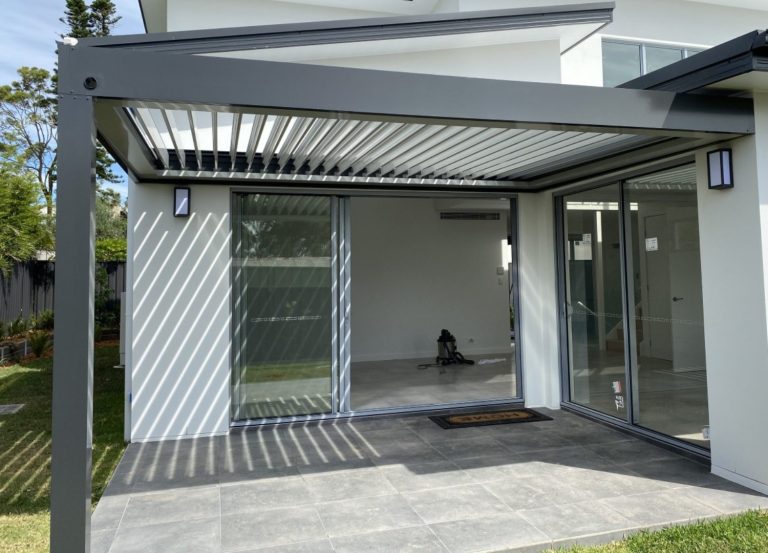
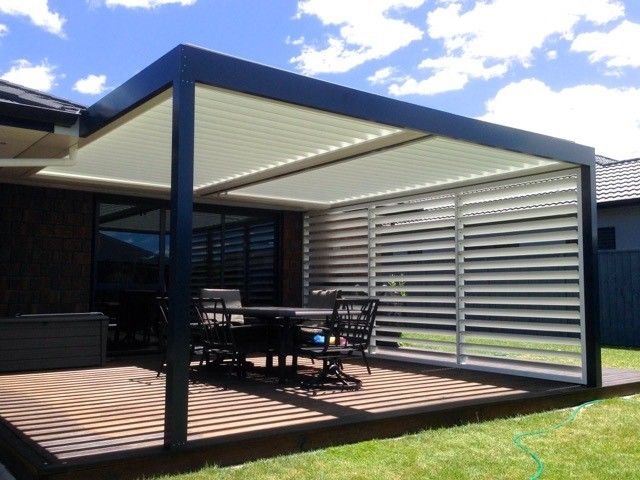
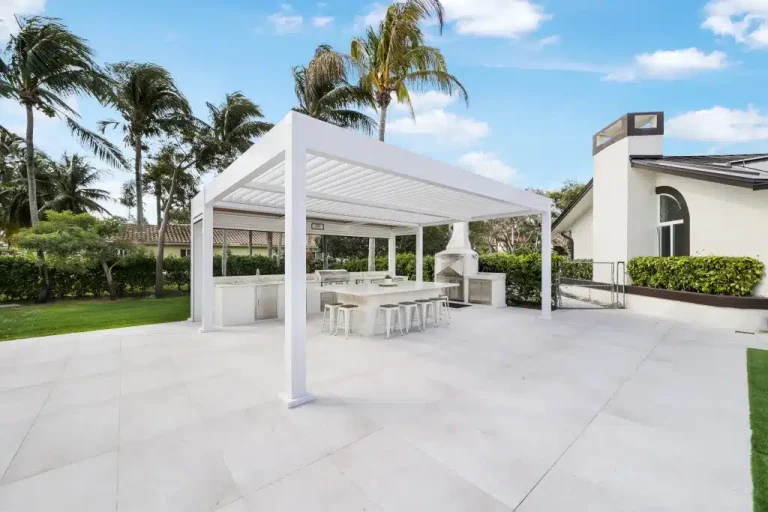
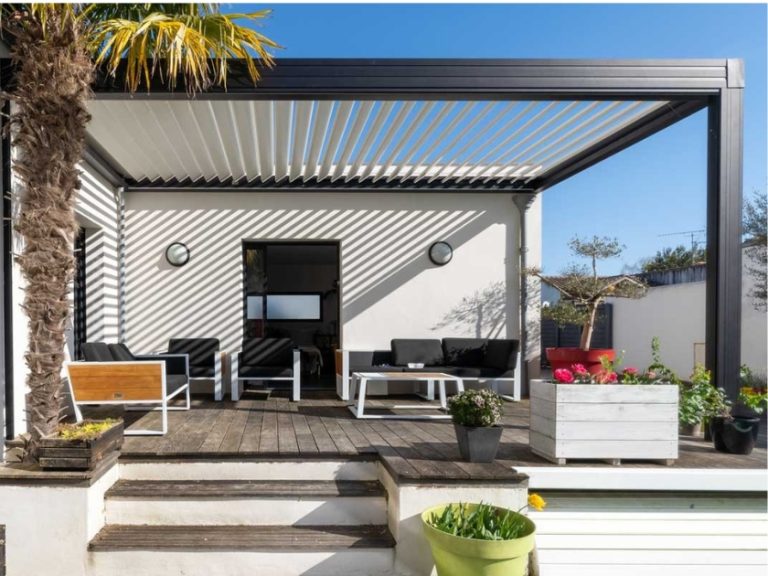
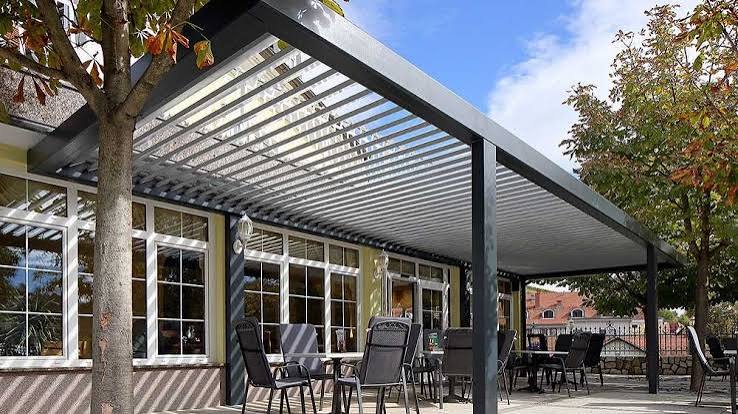
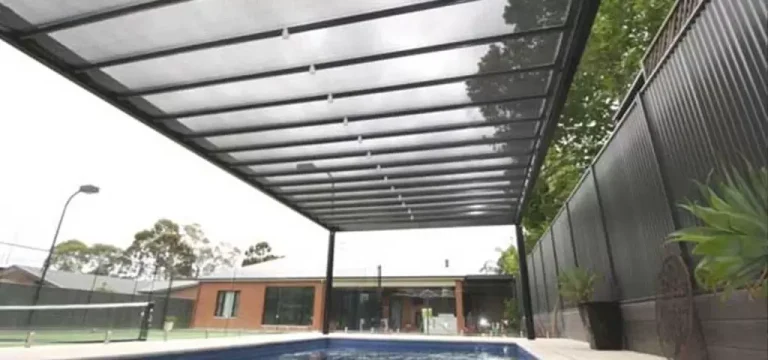
A louvred roof features adjustable aluminium blades that allow you to control sunlight, airflow, and rain protection. A glass roof uses fixed glass panels to maximise natural light while creating an open, contemporary appearance.
The best choice depends on how you use your outdoor space, your local climate, and the level of flexibility you want. This guide compares both options to help you make an informed decision.
Louvred Roof Vs Glass Roof Comparison
| Feature | Louvred Roof | Glass Roof |
| Primary Purpose | Flexible outdoor living | Natural light and weather protection |
| Roof Type | Adjustable aluminium louvres | Fixed glass panels |
| Sunlight Control | Excellent | Limited |
| Natural Light | Adjustable | Excellent |
| Ventilation | Excellent | Limited |
| Rain Protection | Excellent when closed | Excellent |
| Temperature Control | Excellent | Moderate |
| Smart Features | Available | Rare |
| Maintenance | Low | Moderate |
| Design Appeal | Modern and architectural | Elegant and minimalist |
What Is a Louvred Roof?
A louvred roof consists of adjustable aluminium blades that rotate to regulate sunlight, airflow, and weather protection. The blades can be opened to let in fresh air and sunshine or closed to create a weather-resistant roof during rain.
Many systems also include motorised controls, rain sensors, wind sensors, LED lighting, heating, and smart home integration for year-round comfort.
Ideal For
What Is a Glass Roof?
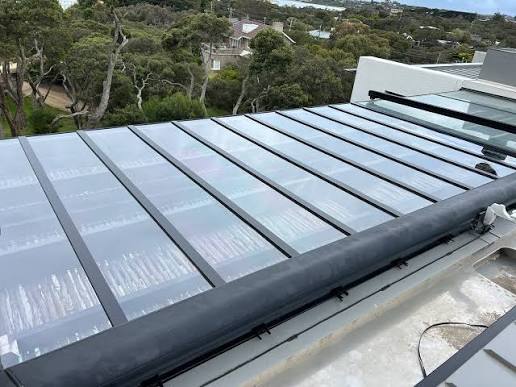
A glass roof uses toughened or laminated glass panels to create a permanent overhead covering. It allows maximum daylight while protecting the area beneath from rain and other weather conditions.
Glass roofs are popular for homeowners who want an open feel and uninterrupted views of the sky.
Ideal For
Sunlight Control
Louvred Roof
Adjustable blades let you:
Glass Roof
A glass roof provides consistent natural light throughout the day. While tinted or coated glass can reduce glare, the amount of sunlight cannot be adjusted.
Advantage: Louvred Roof
Natural Light
Louvred Roof
Provides adjustable light levels depending on the blade position.
Glass Roof
Allows maximum daylight while maintaining uninterrupted views of the sky.
Advantage: Glass Roof
Ventilation
Louvred Roof
Opening the blades encourages natural airflow and allows warm air to escape, creating a cooler outdoor environment.
Glass Roof
As a fixed structure, ventilation depends on the open sides of the space rather than the roof itself.
Advantage: Louvred Roof
Weather Protection
Louvred Roof
When fully closed, the interlocking blades form a waterproof roof with integrated drainage.
Glass Roof
Provides permanent protection from rain and other weather conditions while maintaining natural light.
Both Perform Well: Both systems offer excellent protection from rain when properly designed and installed.
Temperature Control
Louvred Roof
The adjustable blades help regulate heat by allowing shade and airflow, making outdoor areas more comfortable during warmer months.
Glass Roof
Glass roofs can become warmer during summer, even when using tinted or insulated glazing, due to increased solar heat gain.
Advantage: Louvred Roof
Privacy
Louvred Roof
The adjustable blades can help reduce visibility from neighbouring properties while still allowing ventilation.
Glass Roof
Standard clear glass provides little overhead privacy unless frosted or specially treated.
Advantage: Louvred Roof
Appearance
Louvred Roof
Offers a sleek, architectural design that suits contemporary homes and creates a premium outdoor entertaining area.
Glass Roof
Creates an elegant, open appearance that maximises light and enhances the sense of space.
Design Comparison: Both provide a modern look, with the choice depending on your preferred architectural style.
Maintenance
Louvred Roof
Maintenance generally includes:
Glass Roof
Maintenance usually involves:
Maintenance Comparison: Louvred roofs generally require less frequent cleaning than glass roofs.
Smart Features
Louvred Roof
Many systems include:
Glass Roof
Glass roofs are fixed structures and typically do not include adjustable or automated features.
Technology Advantage: Louvred Roof
Energy Efficiency
Louvred Roof
Adjustable blades help reduce heat entering nearby indoor spaces, potentially lowering cooling costs during summer.
Glass Roof
Modern insulated glazing improves thermal performance, but increased sunlight can still contribute to higher indoor temperatures.
Efficiency Advantage: Louvred Roof
Pros and Cons
| Louvred Roof | Glass Roof |
| Adjustable shade | Maximum natural light |
| Excellent ventilation | Elegant appearance |
| Smart automation options | Clear sky views |
| Better temperature control | Permanent weather protection |
| Modern architectural design | Bright outdoor spaces |
| Higher upfront investment | More frequent cleaning |
Which Option Is Right for You?
Choose a louvred roof if you want:
Choose a glass roof if you want:
Can You Combine Both?
Yes. Some homeowners combine a louvred roof with sections of glass roofing to create a unique outdoor area that offers adjustable shade in one section and uninterrupted natural light in another. This hybrid approach delivers both flexibility and architectural appeal.
Conclusion
A louvred roof and a glass roof each offer unique advantages, making them suitable for different lifestyles and outdoor spaces.
If your priority is flexibility, comfort, and year-round usability, a louvred roof is the better choice. Its adjustable blades allow you to control sunlight, airflow, and weather protection, creating an outdoor area that adapts to changing conditions.
If your goal is to maximise natural light and enjoy an open, contemporary design with uninterrupted sky views, a glass roof is an excellent option. It provides reliable weather protection while maintaining a bright and spacious atmosphere.
For homeowners seeking the perfect balance of functionality and style, combining both systems can create a versatile outdoor space that offers the best of each design.
Frequently Asked Questions
Is a louvred roof better than a glass roof?
A louvred roof offers greater flexibility with adjustable shade, ventilation, and weather control, while a glass roof is better for maximising natural light and creating an open feel.
Does a glass roof make an outdoor area hotter?
Glass roofs can retain more heat during warmer months, although tinted and insulated glazing can help reduce solar heat gain.
Are louvred roofs waterproof?
Yes. When fully closed, quality louvred roof systems create a weather-resistant surface that channels rainwater into integrated drainage systems.
Which option requires less maintenance?
Louvred roofs generally require less maintenance because glass roofs need more frequent cleaning to remove dirt, water spots, and debris.
Which option adds more value to a home?
Both can enhance property value. A louvred roof often adds greater lifestyle appeal through flexible outdoor living, while a glass roof contributes architectural style and increased natural light.