Pergola vs Gazebo: Which Outdoor Structure Is Best?
Creating a comfortable and inviting outdoor living space starts with choosing the right structure. If you’re comparing a pergola vs gazebo, you’re not alone. Both options add style, functionality, and value to your property, but they serve different purposes depending on your lifestyle, outdoor space, and budget.
A pergola offers a modern, open-air design with flexible shade options, while a gazebo provides complete overhead protection with a fully covered roof. Whether you’re planning an outdoor dining area, relaxing garden retreat, or all-weather entertainment space, understanding the differences will help you make the right investment.
This guide compares pergolas and gazebos in terms of design, weather protection, maintenance, cost, and functionality so you can confidently choose the best outdoor structure for your home.
Pergola Vs Gazebo: Understanding the Key Differences
Although both structures provide outdoor shelter, they differ significantly in appearance, construction, and purpose.
How a Pergola Is Designed
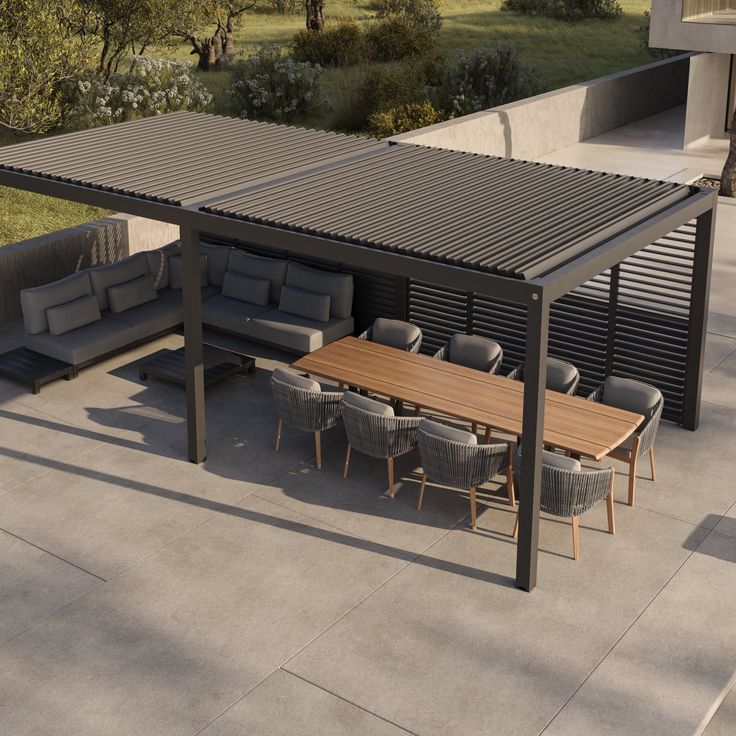
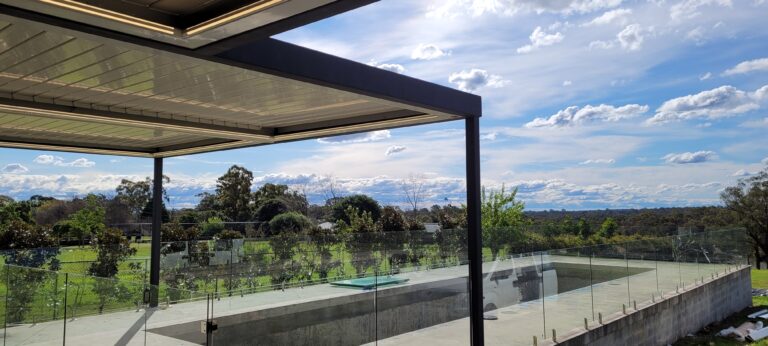
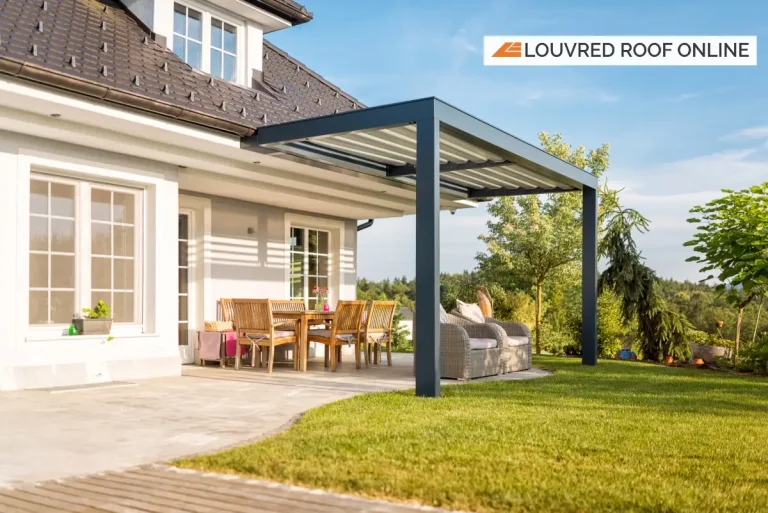
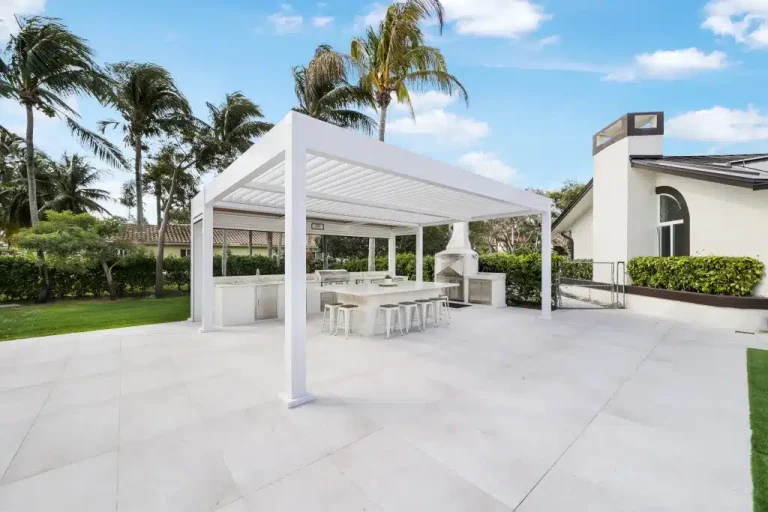
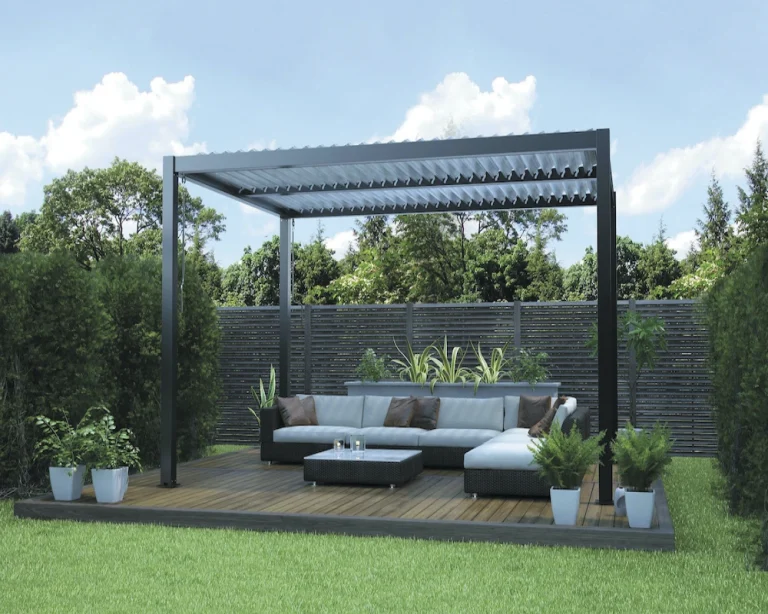
A pergola consists of vertical posts supporting beams or rafters with an open or partially covered roof. Modern pergolas often include adjustable louvre roofs, retractable canopies, or insulated roof panels to provide greater flexibility.
Pergolas are commonly installed:
Their open design creates an airy, contemporary feel while still offering shade and protection.
How a Gazebo Is Built
A gazebo is a freestanding structure with a permanent roof that completely covers the area beneath it. Many gazebos feature decorative posts and can include open sides, railings, curtains, or screens.
Gazebos are often positioned as a focal point in:
Their enclosed roof provides reliable shelter throughout the year.
Comparing Roof Designs: Open Pergolas Vs Fully Covered Gazebos
The roof design is one of the biggest differences when comparing a pergola and a gazebo.
Pergola Roof Options for Flexible Shade
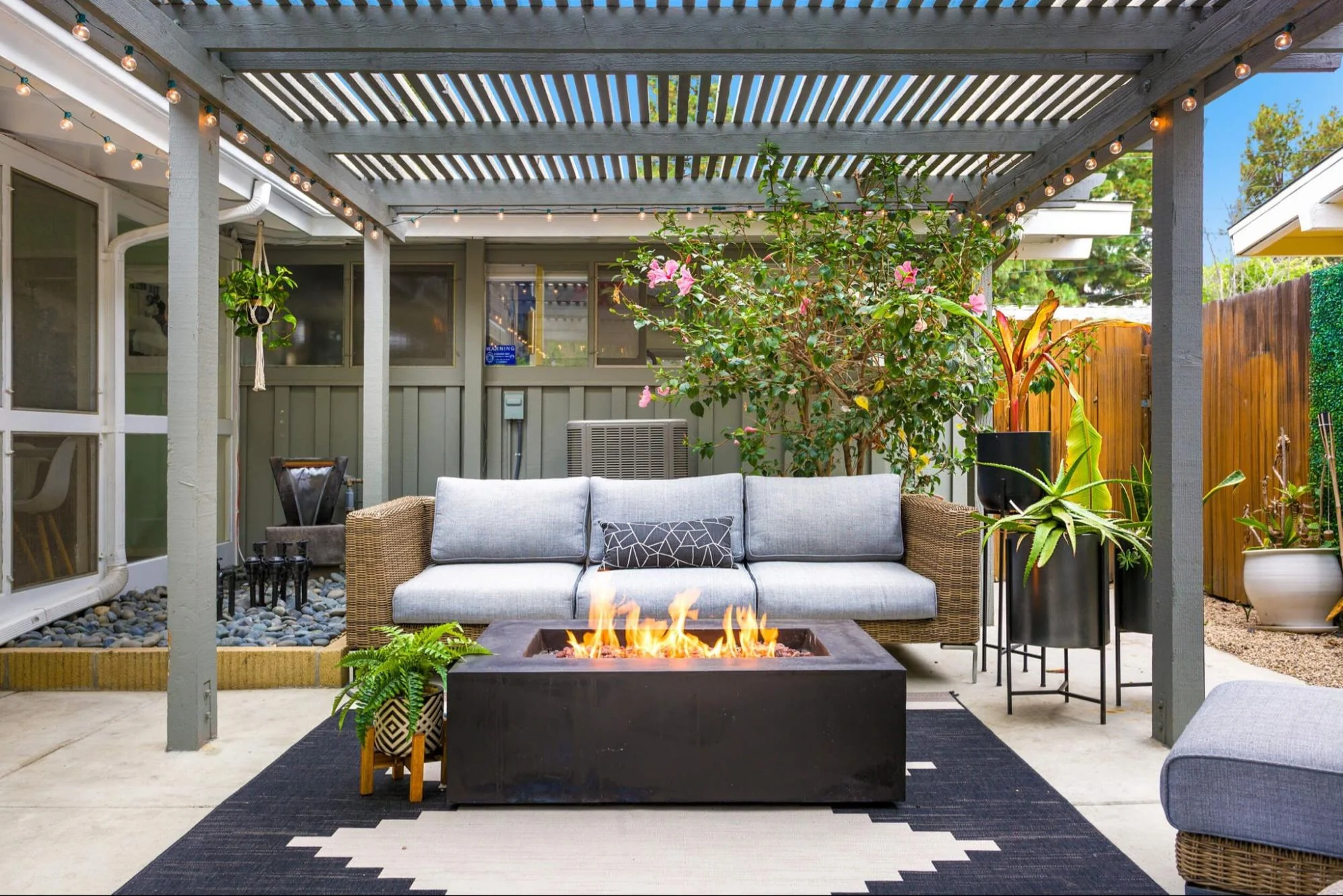
Traditional pergolas have an open roof made from evenly spaced beams that allow filtered sunlight to pass through. Today’s pergolas offer far more versatility with options such as:
These modern features allow homeowners to control sunlight, airflow, and rain protection throughout the day.
Gazebo Roof Designs for Year-Round Protection
Unlike pergolas, gazebos feature a fixed roof that offers consistent protection regardless of the weather.
Popular roof styles include:
A fully covered roof makes gazebos ideal for homeowners who want dependable shelter from both sun and rain.
Which Provides Better Shade and Weather Protection?
Choosing between a pergola and a gazebo often comes down to how much protection you need from the elements.
Staying Cool During Summer
Pergolas with adjustable louvre roofs allow you to control the amount of sunlight entering your outdoor area. You can open the roof to enjoy natural light or close it to create complete shade during hot afternoons.
Gazebos, on the other hand, provide permanent shade throughout the day, making them ideal for areas exposed to direct sunlight.
Protection from Rain and Wind
Modern waterproof pergolas perform exceptionally well during light to moderate rain, especially those fitted with integrated drainage systems.
Gazebos naturally provide better overhead rain protection due to their solid roof construction. Some designs also include side screens or curtains for additional shelter from wind.
Outdoor Living Spaces: Which Structure Suits Your Lifestyle?
Your intended use plays a major role in determining which outdoor structure is best.
Pergolas for Alfresco Dining and Entertaining
Pergolas have become a favourite feature in Australian homes because they extend indoor living spaces outdoors.
They work beautifully for:
Modern pergolas can also be fitted with lighting, fans, heaters, and motorised screens to create an all-season entertaining space.
Gazebos for Relaxation and Garden Retreats
Gazebos create a peaceful destination within the garden.
They’re ideal for:
Their freestanding design allows them to become an attractive landscape feature.
Comparing Materials Used for Pergolas and Gazebos
The material you choose affects durability, maintenance, and appearance.
Aluminium Pergolas for Low-Maintenance Living
Aluminium pergolas are one of the most popular options because they offer:
They’re especially suitable for coastal homes where corrosion resistance is essential.
Timber Pergolas and Gazebos for Natural Beauty
Timber adds warmth and character to outdoor spaces.
It complements:
However, timber requires regular staining, sealing, or painting to protect it from weather exposure.
Steel and Composite Options for Long-Term Durability
Steel provides outstanding structural strength, while composite materials combine durability with low maintenance.
These materials are often chosen for commercial projects or larger outdoor installations.
Installation Differences: Which Is Easier to Build?
Installation requirements vary depending on the type and complexity of the structure.
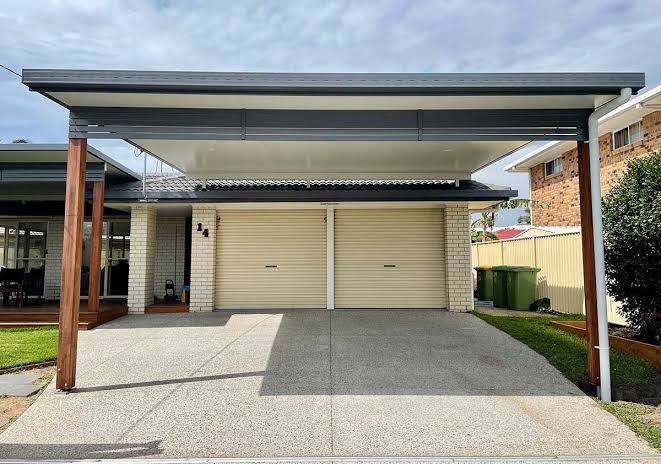
Attached vs Freestanding Pergolas
Pergolas offer excellent flexibility.
They can be:
This versatility makes pergolas suitable for both compact and large properties.
Freestanding Gazebos for Larger Gardens
Gazebos are usually installed independently of the home.
They require adequate space around the structure and are often positioned to maximise garden views or create a destination within the landscape.
Maintenance Requirements: Which Outdoor Structure Lasts Longer?
Every outdoor structure benefits from regular maintenance, but some materials require more attention than others.
Caring for Aluminium Pergolas
Aluminium pergolas are extremely easy to maintain.
Routine care includes:
Maintaining Timber Gazebos
Timber gazebos require ongoing maintenance to preserve their appearance.
This may include:
Proper maintenance significantly extends the lifespan of timber structures.
Pergola Vs Gazebo for Modern Australian Homes
Australian homeowners increasingly favour outdoor living spaces that combine style with functionality.
Best Choice for Small Backyards
Pergolas are generally the better solution for compact outdoor areas because they can be custom-built to suit available space while maintaining an open feel.
Best Option for Large Outdoor Spaces
Gazebos work exceptionally well in larger gardens where they become a central architectural feature while providing generous weather protection.
Which Outdoor Structure Adds More Value to Your Home?
Outdoor improvements often increase both lifestyle appeal and property value.
Boosting Outdoor Appeal
A professionally designed pergola or gazebo enhances street appeal and creates an inviting outdoor environment.
Buyers often appreciate homes with functional outdoor entertaining spaces.
Improving Functionality and Lifestyle
Both structures increase usable outdoor space by providing comfortable areas for relaxing, entertaining, and dining throughout the year.
Cost Comparison: Pergola vs Gazebo
Budget is another important consideration.
Initial Installation Costs
Pergolas are available across a wide price range depending on:
Gazebos generally involve higher construction costs due to their fully covered roof and more complex framework.
Long-Term Maintenance and Ownership Costs
Aluminium pergolas typically have lower ongoing maintenance costs.
Timber gazebos may require regular maintenance, increasing long-term ownership expenses.
Pros and Cons of Choosing a Pergola
Advantages of Installing a Pergola
Potential Drawbacks to Consider
Pros and Cons of Choosing a Gazebo
Benefits of a Gazebo
Limitations of a Gazebo
How to Choose Between a Pergola and a Gazebo
Before making your decision, ask yourself:
Answering these questions will help narrow down the best solution for your property.
Conclusion
Choosing between a pergola and a gazebo ultimately depends on how you want to enjoy your outdoor space. If you’re looking for a contemporary entertaining area with flexible shade, modern features, and seamless integration with your home, a pergola is an excellent investment. If you prefer a freestanding structure with complete weather protection and timeless garden appeal, a gazebo may be the better option.
Both outdoor structures can significantly improve your property’s functionality, comfort, and value. By selecting the right design, materials, and features, you’ll create an outdoor space that can be enjoyed for many years.
Frequently Asked Questions
Is a pergola cheaper than a gazebo?
In many cases, yes. Basic pergolas are often more affordable than gazebos, although premium motorised pergolas may cost more depending on the features and materials selected.
Which provides better rain protection?
A gazebo offers complete overhead protection with its solid roof, while modern pergolas fitted with waterproof louvre roofs or insulated panels also provide excellent protection from rain.
Can a pergola be fully enclosed?
Yes. Pergolas can be enclosed with outdoor blinds, zip screens, glass panels, or retractable screens to improve privacy and weather protection.
Which is better for entertaining?
Pergolas are generally better suited to outdoor entertaining because they can be customised with lighting, heating, ceiling fans, outdoor kitchens, and motorised roofing systems.
Which structure requires less maintenance?
Aluminium pergolas require very little maintenance compared to timber gazebos, which need regular sealing, painting, or staining.
Does a pergola or gazebo add more value to a home?
Both can increase property value by creating functional outdoor living spaces. A well-designed structure that complements your home’s architecture is likely to appeal to potential buyers.
Which lasts longer?
With proper installation and maintenance, both pergolas and gazebos can last for decades. Aluminium structures generally offer the greatest durability with the least maintenance.
Do I need council approval to build a pergola or gazebo?
Building requirements vary depending on your local council, the size of the structure, and its location on your property. Always check local regulations before beginning construction.