DIY Vs. Professional Louvred Roof Installation
When deciding on a louvred roof installation for your outdoor space, the big question is: Should you tackle it yourself or hire a professional? This choice depends on your budget, technical skills, and the complexity of the project. Let’s break it down so you can make the best decision for your home or business.
A louvred roof is more than just an overhead structure, it’s a versatile solution that transforms outdoor areas into functional, weather-adaptable spaces. Whether it’s your patio, deck, or poolside, these roofs combine style and utility. This guide will compare DIY vs. professional installation, covering the benefits, challenges, costs, and tips for making the right choice.
Understanding Louvred Roof Systems
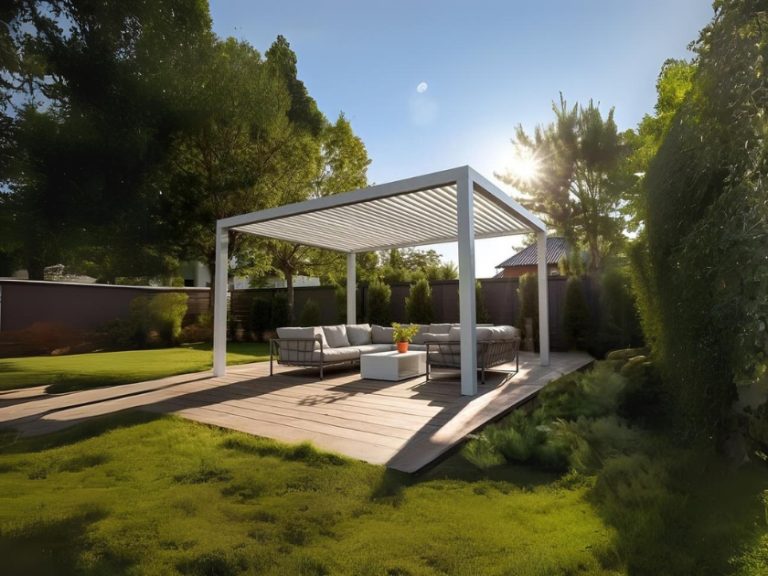
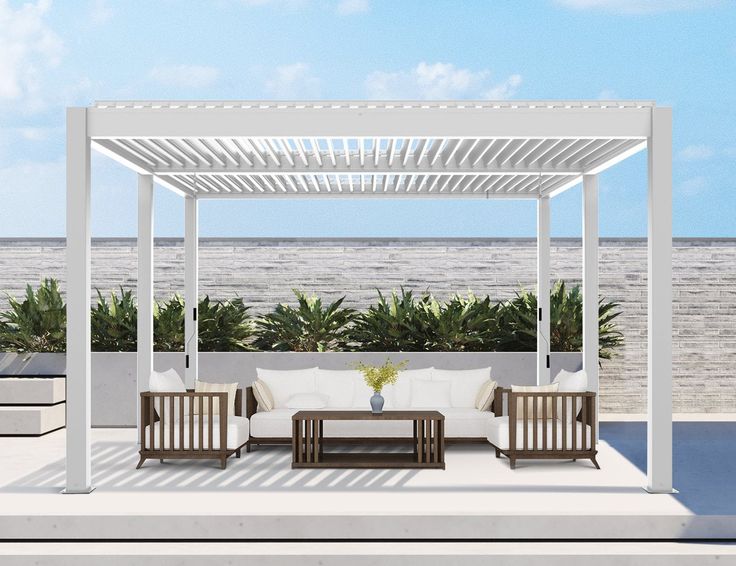
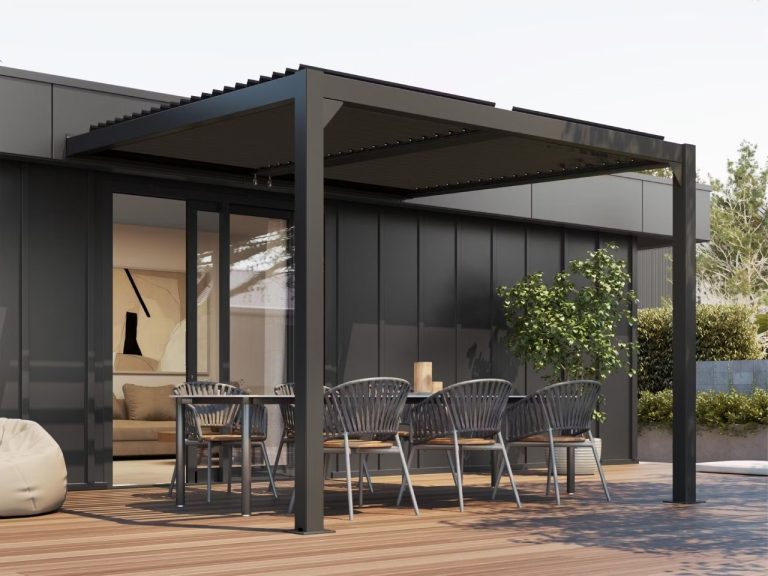
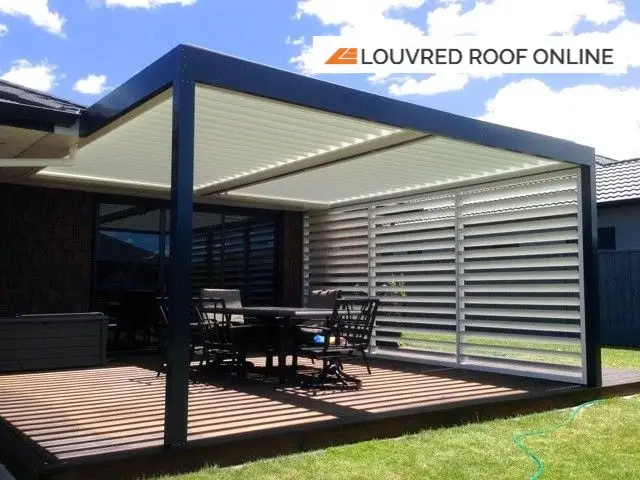
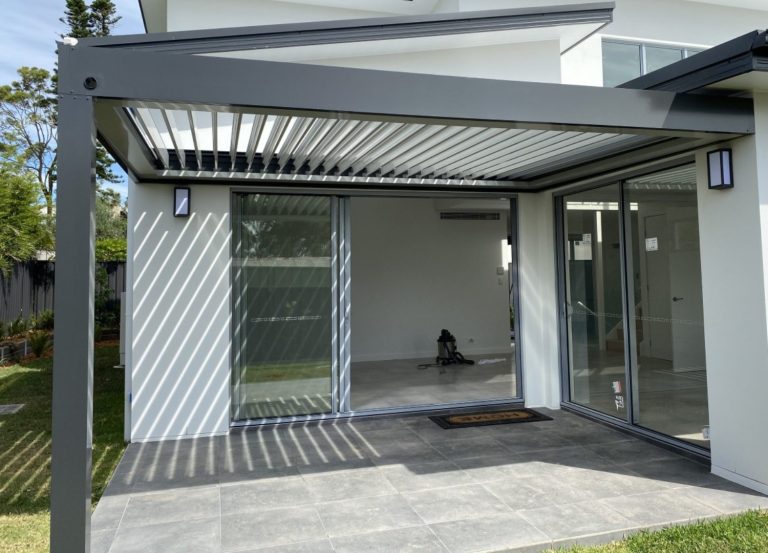
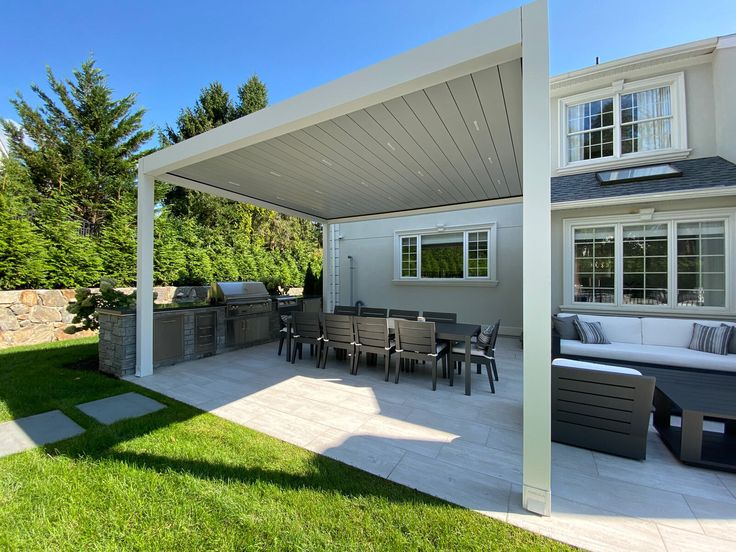
A louvred roof consists of adjustable slats that can be tilted to control sunlight, ventilation, and rain protection. It’s perfect for creating year-round usable spaces. Common materials include aluminum, wood, and PVC, with motorised or manual operation options.
Key Considerations Before Installation
DIY Louvred Roof Installation
Pros of DIY Installation
Cons of DIY Installation
Professional Louvred Roof Installation
Pros of Professional Installation
Cons of Professional Installation
How to Decide Between DIY and Professional Installation
Conclusion
Choosing between DIY and professional louvred roof installation boils down to your budget, skills, and timeline. A DIY project can save costs and offer a personal touch but comes with risks and time investment. Professional installation guarantees precision, safety, and warranties but at a higher cost.
Evaluate your needs carefully to decide which option suits you best, and transform your outdoor space into a functional, stylish retreat.
Frequently Asked Questions
Can I install a louvred roof system on my own?
Yes, installing a louvred roof yourself is possible using DIY kits, especially for simpler designs. However, it requires technical skills, proper tools, and adherence to local building codes. For complex or motorised systems, professional installation is recommended to ensure safety and functionality.
What are the advantages of professional installation?
Professionally installed louvred roofs offer:
1: Precise workmanship and compliance with building codes.
2: Faster project completion.
3: Extended warranties for both materials and labor, ensuring long-term reliability.
What type of louvred roof is best for DIY installation?
Aluminum and PVC-based manual systems are easier for DIY projects. Motorised or large-scale louvred roofs may require professional expertise due to their complexity and electrical components.