Pergolas for New Homes: Complete Planning Guide
Building a new home is an exciting opportunity to create a space that matches your lifestyle from day one. While homeowners often focus on kitchens, bathrooms, and landscaping, one outdoor feature that deserves equal attention is a pergola.
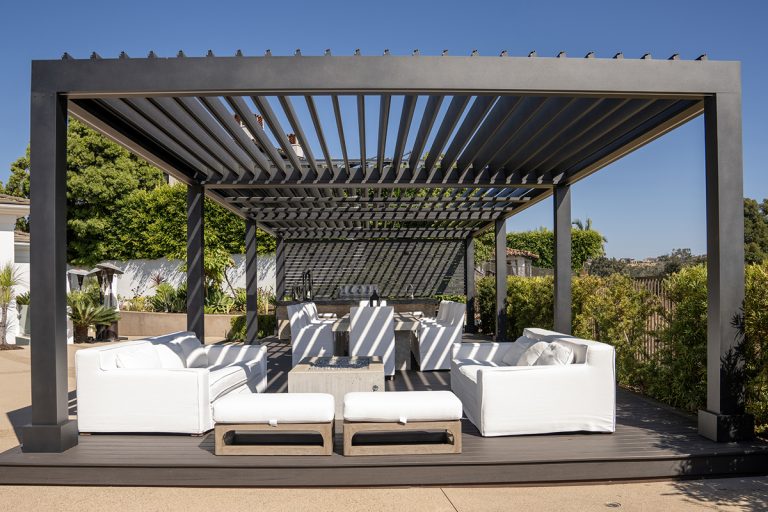
Planning pergolas for new homes during the construction phase helps create a seamless transition between indoor and outdoor living while adding comfort, style, and long-term value. Whether you want a shaded entertaining area, a relaxing retreat, or a functional outdoor dining space, the right pergola can become one of the most enjoyed areas of your home.
In this guide, we’ll explore why pergolas are an excellent investment for new homes and what you should consider before installation.
Why Install a Pergola During a New Home Build?
Adding a pergola after your home is completed is certainly possible, but incorporating it into your original home design offers several advantages.
Better Design Integration
A pergola planned from the beginning complements your home’s architecture, rooflines, landscaping, and outdoor entertaining areas. Instead of looking like an addition, it becomes a natural extension of the property.
More Cost-Effective Installation
Installing structural supports, electrical wiring, drainage, and lighting during construction is often simpler and more affordable than retrofitting these features later.
Improved Outdoor Living
Modern homes are increasingly designed with outdoor living in mind. A pergola creates a comfortable space where you can relax, entertain guests, enjoy family meals, or simply unwind while being protected from harsh sunlight.
Benefits of Pergolas for New Homes
Expands Your Living Space
A pergola effectively extends your indoor living area outdoors. It creates a defined space that can function as an outdoor lounge, dining room, barbecue area, or poolside retreat.
For growing families, this additional living space quickly becomes one of the most frequently used areas of the home.
Provides Shade and Comfort
Australia’s climate makes outdoor shade essential for year-round comfort.
Depending on the design, pergolas can help reduce direct sun exposure while still allowing natural airflow. Adjustable roof systems provide even greater flexibility by letting you control sunlight and ventilation throughout the day.
Increases Property Value
Well-designed outdoor living areas are highly attractive to future buyers. A professionally installed pergola enhances curb appeal and can increase the overall value of your home.
Many buyers actively seek homes with functional outdoor entertaining spaces.
Creates a Stylish Outdoor Feature
Pergolas are available in a wide variety of modern designs, colours, and finishes to suit contemporary homes.
Whether your home features minimalist architecture or a more traditional design, a customised pergola can complement the overall appearance of your property.
Choosing the Right Pergola for Your New Home
Not every pergola is the same. Selecting the right design depends on your home’s layout, available space, and intended use.
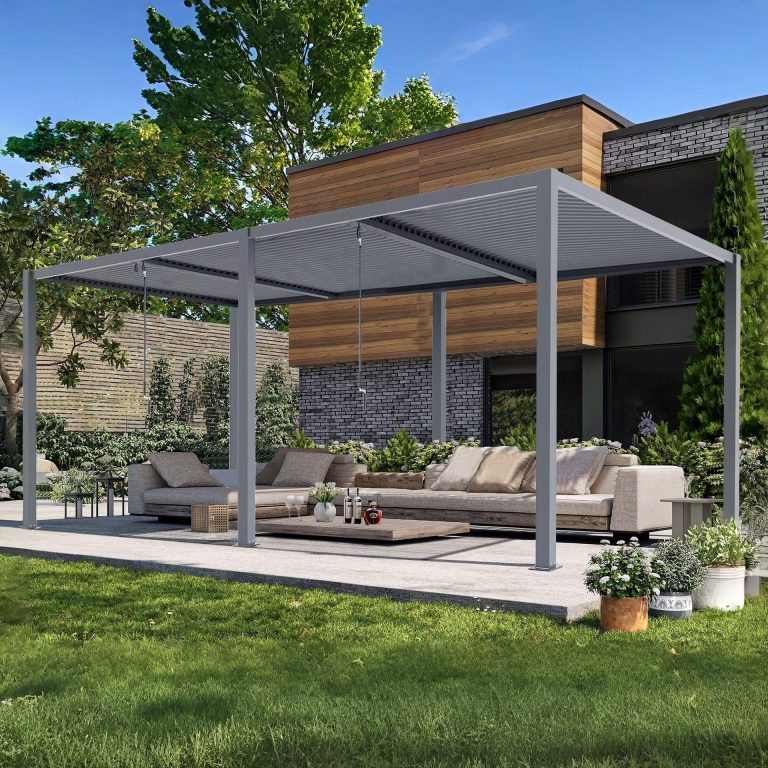
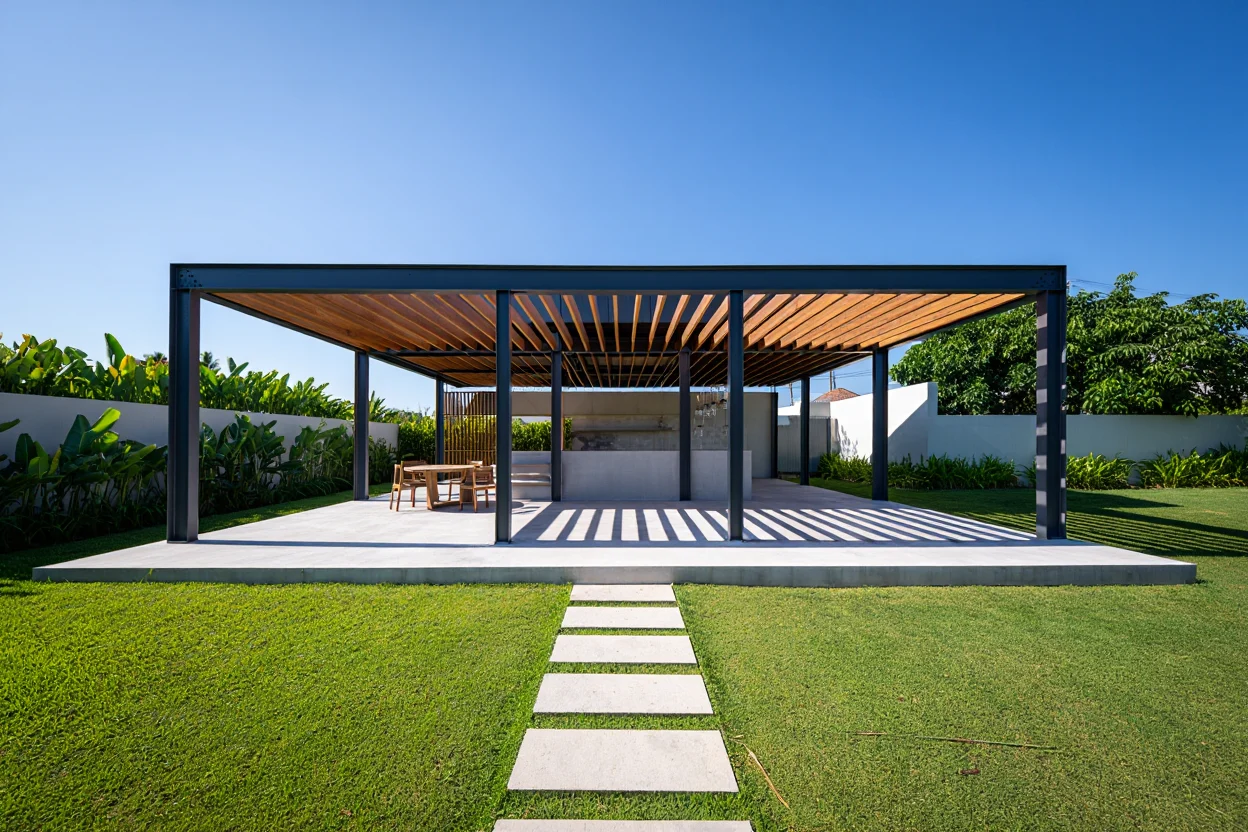
Freestanding Pergolas
Freestanding pergolas are ideal for:
They create a dedicated outdoor destination away from the main house.
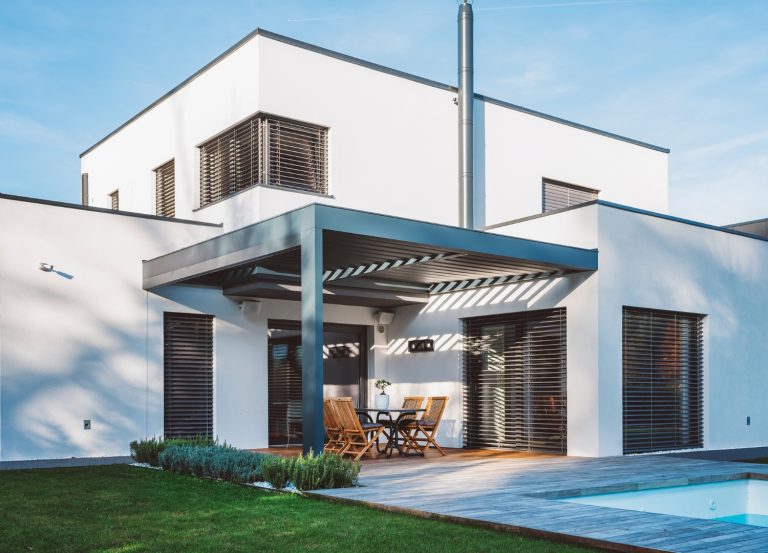
Attached Pergolas
Attached pergolas connect directly to the home and are commonly installed over:
They create a seamless flow between indoor and outdoor living.
Selecting the Best Roofing Option
The roofing system significantly impacts how your pergola performs throughout the year.
Fixed Roof Pergolas
These provide consistent shade and weather protection with minimal maintenance.
Suitable for homeowners who want permanent shelter.
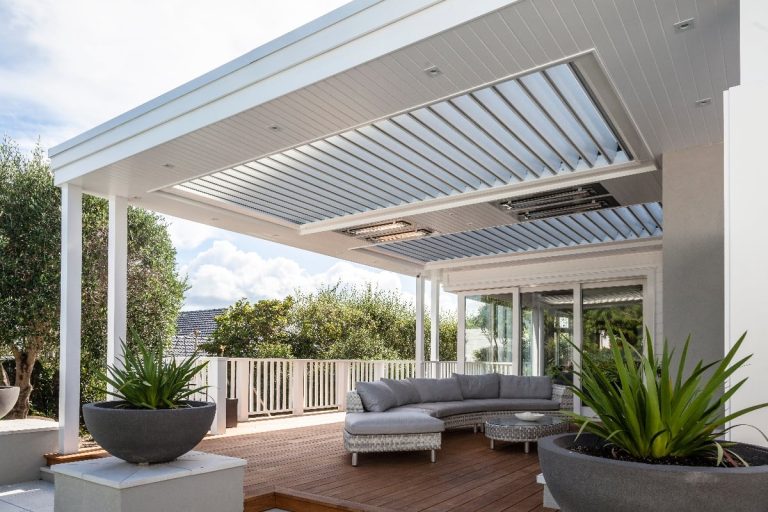
Louvred Roof Pergolas
Motorised louvred roofs allow you to:
These systems are becoming increasingly popular in modern Australian homes.
Polycarbonate Roofing
Polycarbonate roofing allows natural light to filter through while offering protection from rain and UV exposure.
It works particularly well where maintaining brightness is important.
Design Features Worth Considering
Planning ahead gives you the opportunity to include features that improve both comfort and functionality.
Popular additions include:
Installing these features during construction often results in a cleaner finish and easier wiring.
Best Materials for Long-Term Performance
Choosing durable materials ensures your pergola remains attractive for years.
Aluminium
Aluminium is one of the most popular choices because it is:
Timber
Timber offers natural warmth and character but generally requires regular staining or sealing to maintain its appearance.
Steel
Steel provides exceptional structural strength and suits large-span pergolas, although it may require additional corrosion protection depending on the environment.
Planning Your Pergola Layout
Before construction begins, think carefully about how you’ll use the space.
Questions to consider include:
Answering these questions early helps create an outdoor area that is practical as well as visually appealing.
Energy Efficiency Benefits
A strategically positioned pergola can contribute to a more comfortable home environment.
By shading windows and outdoor entertaining areas, it can reduce heat entering the home during summer. This may help lessen the need for air conditioning while creating a cooler outdoor space for everyday use.
Low Maintenance Living
Many homeowners building new homes prefer outdoor features that require minimal upkeep.
Modern aluminium pergolas require very little maintenance beyond occasional cleaning. Powder-coated finishes also help maintain their appearance while resisting corrosion and fading.
Is a Pergola Worth It for a New Home?
For many homeowners, the answer is yes.
A thoughtfully designed pergola enhances everyday living by creating a comfortable outdoor area for relaxing, entertaining, and spending time with family. It also improves the home’s visual appeal and can add lasting value.
Planning pergolas for new homes during the building process allows the structure to integrate naturally with your home’s design while making installation more efficient. With the right materials, layout, and features, a pergola can become one of the most enjoyable spaces on your property.
Frequently Asked Questions
Should I install a pergola while building a new home?
Yes. Incorporating a pergola during construction can simplify installation, reduce future modification costs, and ensure it blends seamlessly with your home’s overall design.
What is the best material for a new home pergola?
Powder-coated aluminium is a popular option due to its durability, low maintenance requirements, and resistance to rust and corrosion.
Can a pergola increase home value?
A well-designed pergola can improve outdoor functionality and visual appeal, making your property more attractive to potential buyers.
Are motorised pergolas suitable for new homes?
Yes. Motorised louvred pergolas offer flexible control over sunlight, ventilation, and weather protection, making them an excellent choice for modern outdoor living.
Do I need council approval for a pergola?
Approval requirements vary depending on your location, pergola size, and local building regulations. Always check with your local council or builder before construction begins.