Louvre Roof Vs Shade Sail Structure: Which Is Better?
Choosing the right outdoor shade system can completely change how you use your patio, backyard, or entertainment area. Two popular options are the louvre roof system and the shade sail structure. While both provide protection from the sun, they differ significantly in design, functionality, durability, and long-term value.
Understanding these differences helps homeowners, designers, and commercial property owners make the right investment for comfort, style, and usability.
Understanding Louvre Roof Systems
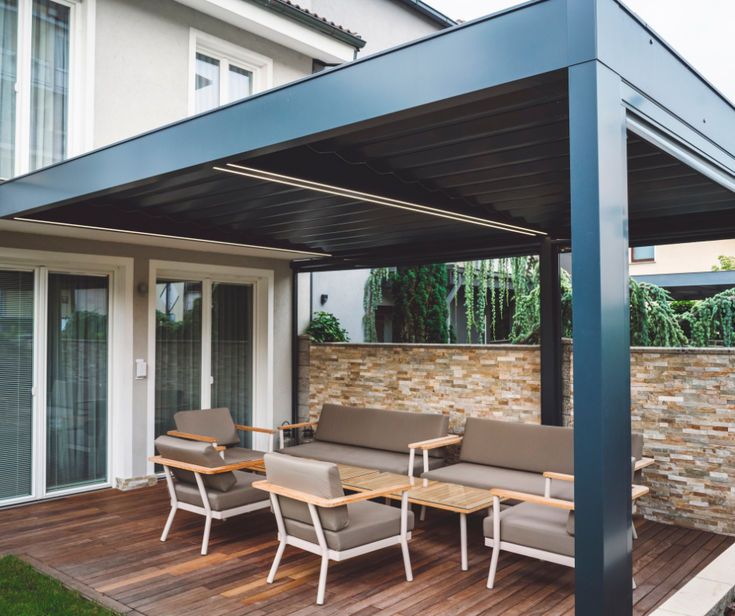
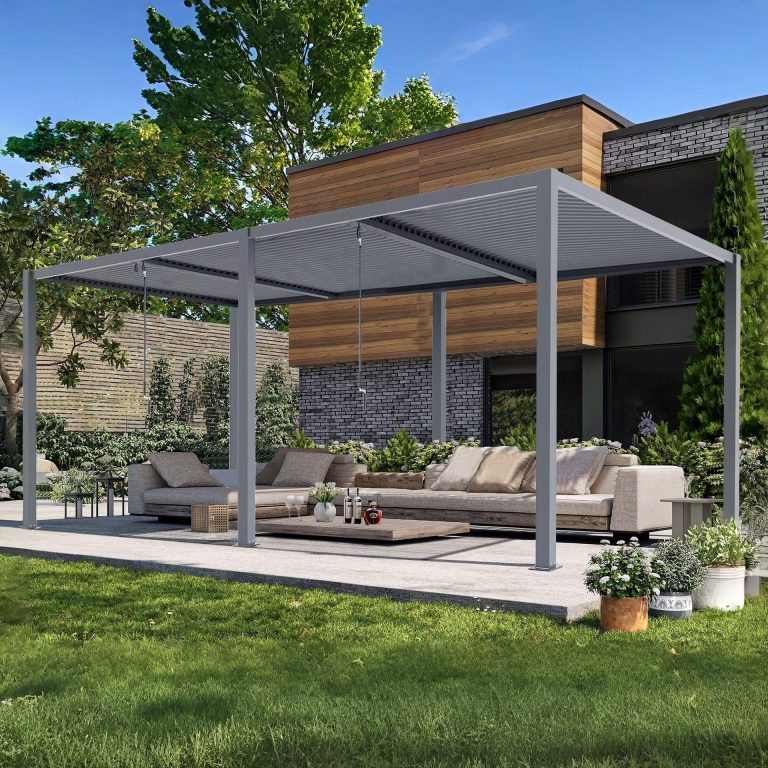
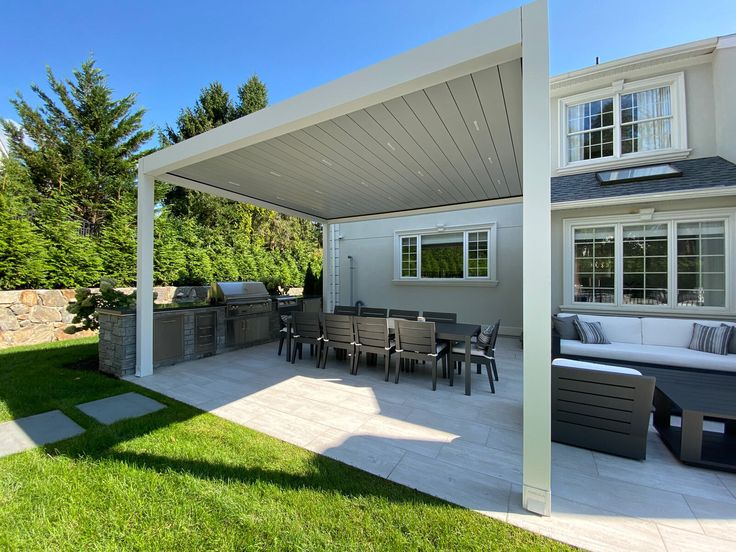
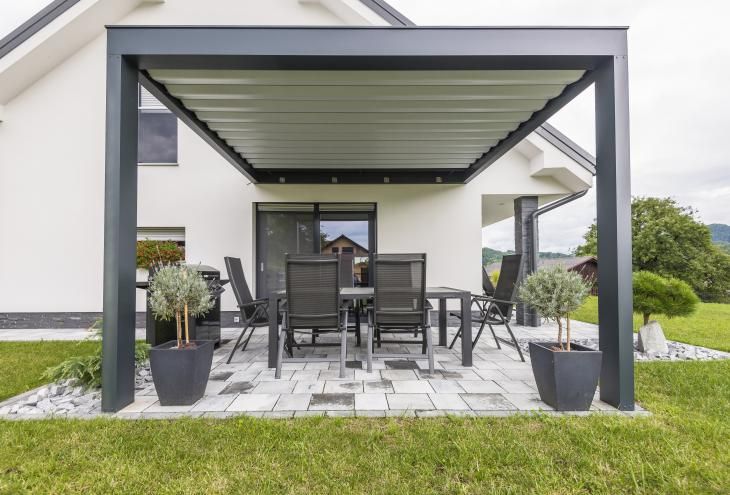
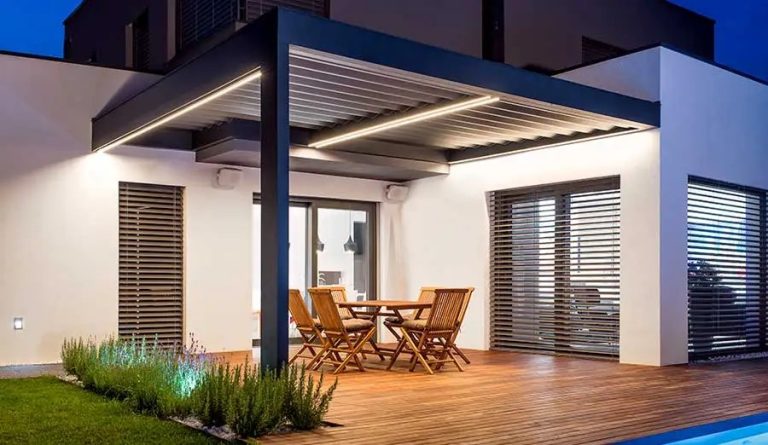
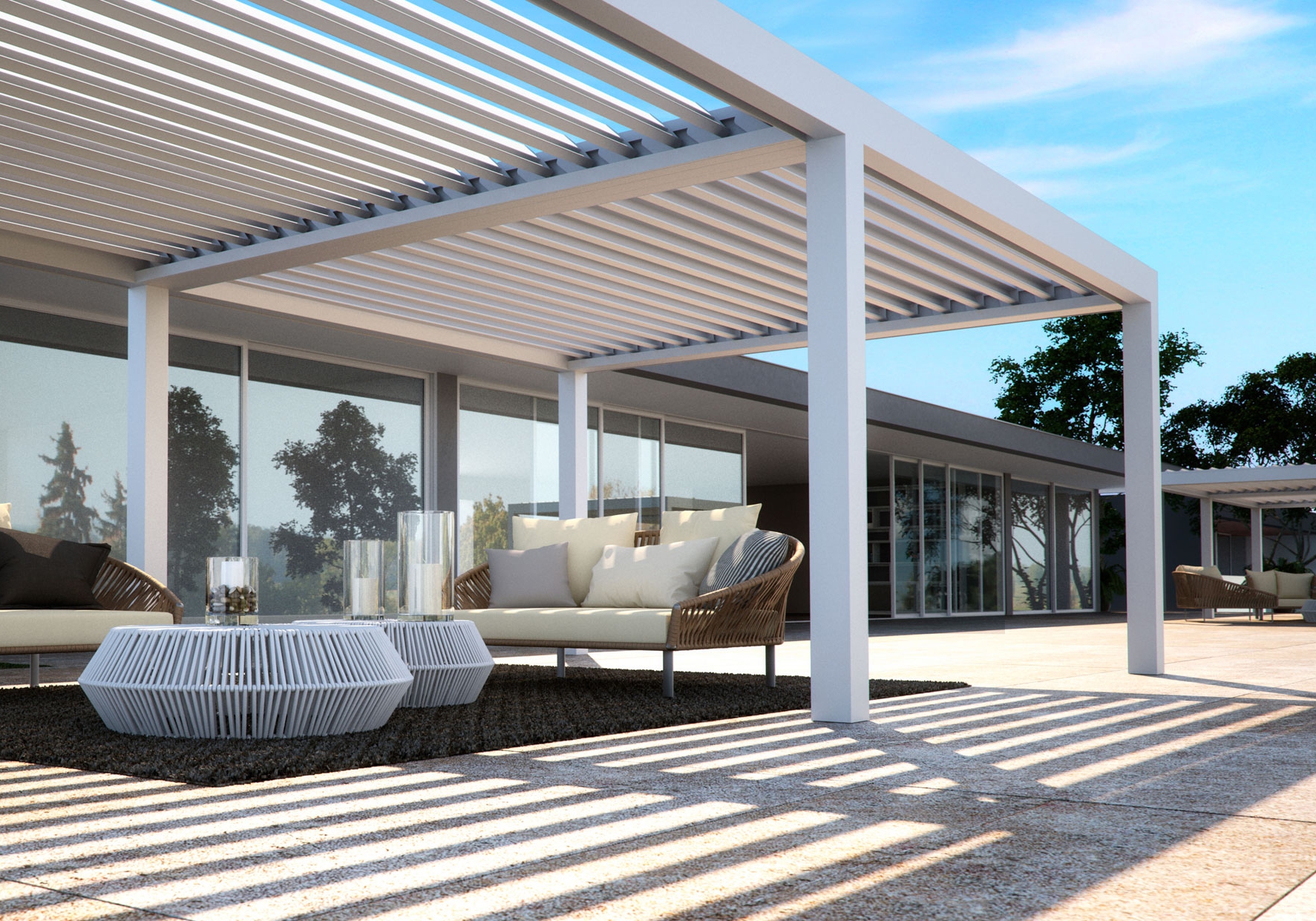
A louvre roof system is a modern outdoor roofing solution made of adjustable aluminium blades (louvres) that can open, close, or tilt depending on weather conditions.
These systems are often used in:
Key Features of Louvre Roofs
Louvre roofs are designed for flexibility and all-weather performance, making them a premium outdoor living solution.
Understanding Shade Sail Structures
Shade sails are fabric-based outdoor shading systems stretched between fixed anchor points such as poles, walls, or posts.
They are commonly used in:
Key Features of Shade Sails
Shade sails are popular for their affordability and aesthetic appeal but offer limited weather protection.
Louvre Roof vs Shade Sail: Key Comparison
| Feature | Louvre Roof System | Shade Sail Structure |
| Shade Control | Fully adjustable | Fixed shade only |
| Rain Protection | Fully waterproof when closed | Not waterproof |
| Wind Resistance | High (engineered system) | Moderate (depends on tension) |
| Durability | Long-lasting aluminium system | Fabric may degrade over time |
| Maintenance | Low maintenance | Fabric replacement needed |
| Cost | Higher initial investment | Lower cost option |
| Automation | Available (motorised systems) | Not available |
| Design Style | Modern, architectural | Soft, fabric-based look |
| Year-Round Use | Yes | Limited |
| Installation | Professional installation required | Simpler installation |
Performance in Weather Conditions
Sun Protection
Both systems provide UV protection, but louvre roofs offer adjustable control, allowing users to manage sunlight throughout the day. Shade sails provide fixed coverage, which cannot be changed once installed.
Rain Protection
Louvre roof systems excel in wet weather. When closed, they create a solid waterproof surface with built-in drainage systems. Shade sails, however, allow water to pass through or collect, making them unsuitable for rainy conditions.
Wind Performance
Louvre roofs are engineered aluminium systems designed for structural stability. Shade sails rely on tension and anchoring points, which can be affected by strong winds over time.
Comfort and Outdoor Living Experience
A louvre roof transforms outdoor spaces into fully functional living areas. You can adjust ventilation, sunlight, and shade depending on weather conditions, making it ideal for entertaining and daily use.
Shade sails provide static shade, which is useful but less adaptable. They are better suited for casual outdoor use rather than fully functional outdoor rooms.
Aesthetic and Design Impact
Louvre Roof Systems
Shade Sail Structures
Installation and Maintenance
Louvre Roof Systems
Shade Sail Structures
Cost Considerations
Shade sails are significantly more affordable upfront, making them attractive for budget-conscious projects.
However, louvre roof systems provide higher long-term value due to:
Which One Should You Choose?
Choose a Louvre Roof System if you want:
Choose a Shade Sail if you want:
Conclusion
Both louvre roof systems and shade sails serve different purposes. A shade sail is ideal for simple and cost-effective sun protection, while a louvre roof system offers a complete outdoor living upgrade with full weather control and modern design.
If your goal is to create a functional, all-season outdoor space, the louvre roof system clearly stands out as the superior solution.
Frequently Asked Questions
Is a louvre roof better than a shade sail?
Yes, in terms of functionality, durability, and weather protection, a louvre roof is more advanced.
Can shade sails protect from rain?
No, shade sails are not waterproof and are not suitable for heavy rain conditions.
Are louvre roofs worth the investment?
Yes, they offer long-term value through durability, comfort, and year-round usability.
Which is cheaper: shade sail or louvre roof?
Shade sails are significantly cheaper, but offer fewer features and less durability.
Do louvre roofs require maintenance?
They require minimal maintenance, mainly cleaning and occasional checks of moving parts.