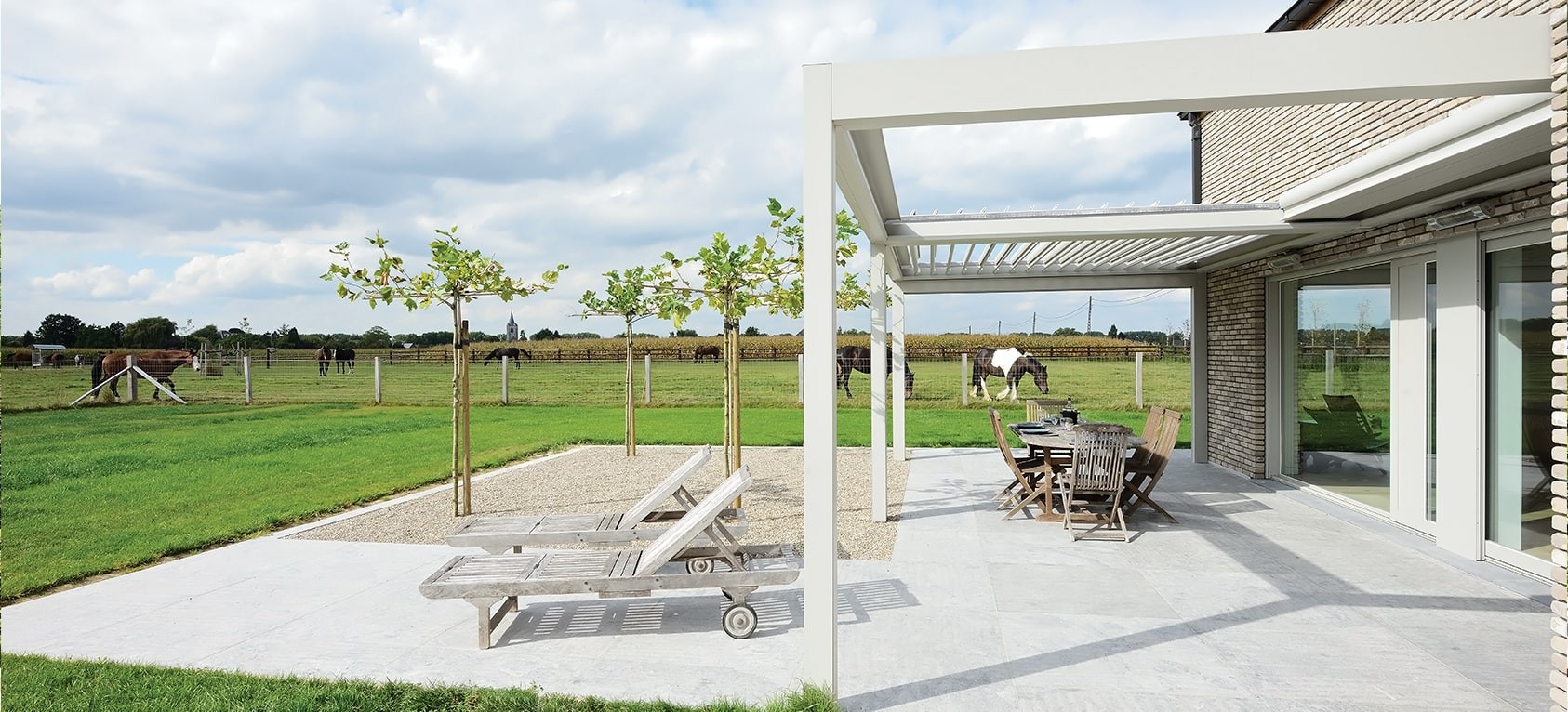
Choosing a Patio That Complements Your Home
When designing a patio, it’s essential to create an outdoor space that seamlessly integrates with the overall aesthetics of your home. A well-chosen patio not only enhances your home’s visual appeal but also boosts its functionality, making it a perfect spot for relaxation, entertainment, or dining. Whether you’re looking to extend your living area or add a stylish outdoor retreat, this guide will provide you with the essential tips and considerations to help you design a patio that complements your home’s architecture.
In this article, we’ll cover:
By the end of this guide, you’ll have a clear understanding of how to create a patio that complements your home’s aesthetic, ensuring your outdoor space is both beautiful and functional.
Key Factors to Consider When Choosing a Patio
A well-designed patio should complement your home’s architecture while also enhancing its functionality. Here are the essential factors to consider when choosing your patio design:
Architectural Style of Your Home
One of the most important considerations when selecting a patio design is the architectural style of your home. The patio should align with your home’s existing structure, materials, and color schemes to create a cohesive look. For example:
Choosing a patio that reflects your home’s architectural style ensures visual harmony and a unified aesthetic.
Material Selection for Your Patio
The materials you choose for your patio not only impact its appearance but also its durability. Different materials can complement various home styles:
- Patio Flooring: Options like concrete, flagstone, or wood decking each offer different looks and textures. Natural stone is often a good fit for traditional homes, while composite decking can be ideal for modern homes.
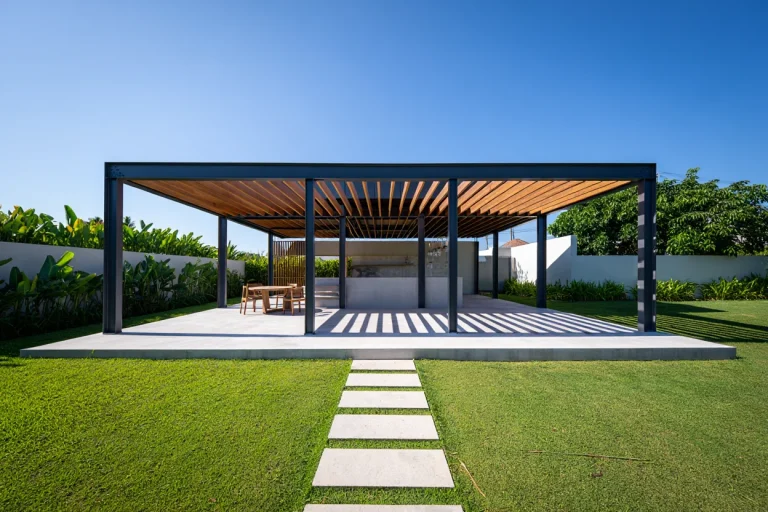
- Roofing: The type of patio roof you select will also influence the design. Gabled roofs work well with larger, traditional homes, while flat or open roofs suit modern spaces, providing a minimalist aesthetic.
Choose materials that not only complement your home but are also durable enough for your local climate.
Functional Zones of Your Patio
Your patio should be designed to suit how you plan to use the space. Whether you want a dining area, a lounging area, or a spot for entertaining guests, planning functional zones is essential:
Incorporating these zones into your patio layout ensures the space meets your needs and makes the patio both stylish and practical.
Patio Design Tips for Harmonizing with Your Home Aesthetics
Designing a patio that blends perfectly with your home’s aesthetic requires a thoughtful approach. Here are a few tips to make sure your outdoor space complements your home:
Consider Your Home’s Exterior Color Scheme
Your patio should not clash with the color palette of your home’s exterior. If your home has neutral tones, consider choosing a patio that uses complementary or contrasting colors. For example:
Integrating Your Landscape Design
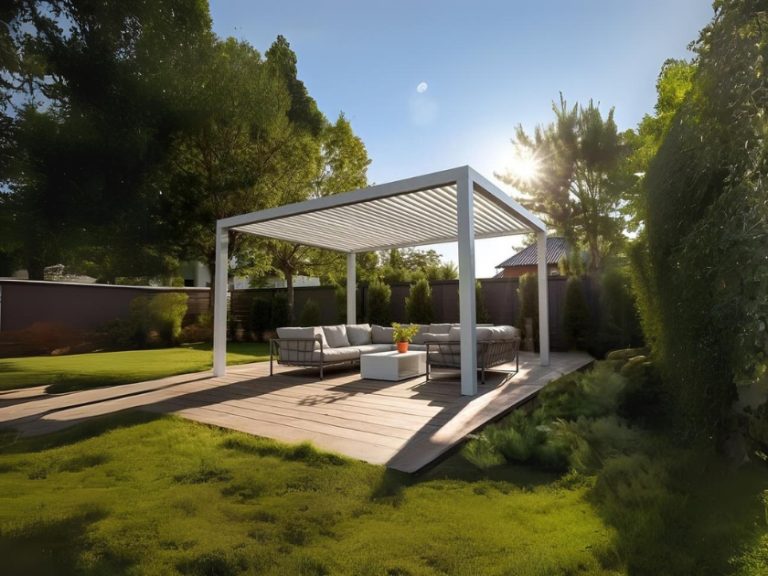
Incorporating landscaping elements like plants, shrubs, and trees into your patio design helps integrate the outdoor space with your home. Use greenery strategically to create privacy or soften the transition between your patio and the rest of the garden. Landscaping elements that complement the patio’s design will make the entire outdoor area feel cohesive.
Lighting and Accessories
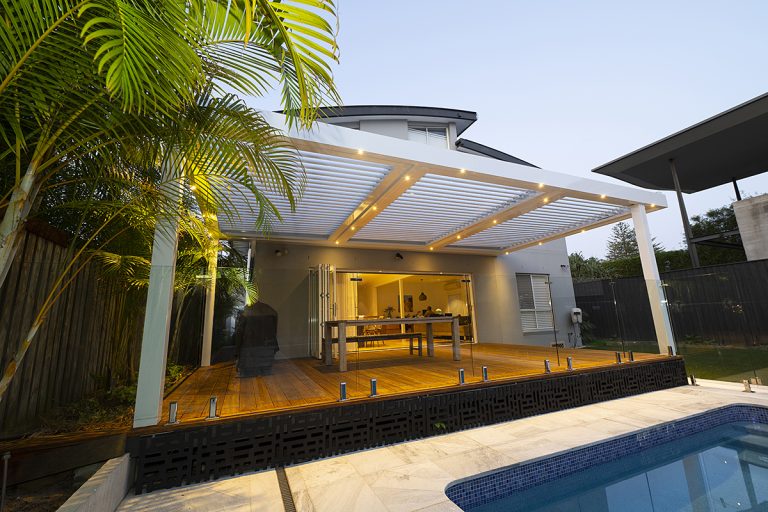
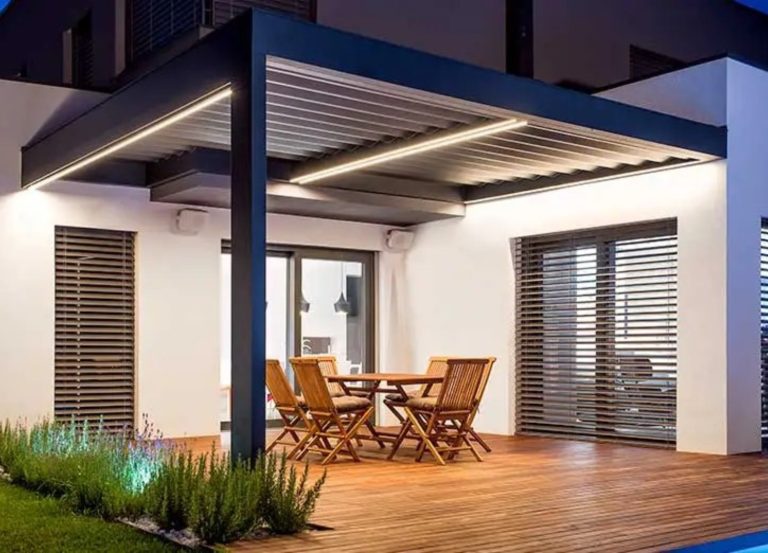
The right lighting can transform your patio into a charming evening space. Use ambient lighting, such as string lights or lanterns, to set a cozy mood. Task lighting is ideal for areas like dining zones, and accent lighting can highlight architectural features or plants. Accessories like outdoor rugs, cushions, and throws not only add color but also provide comfort and style.
Practical Considerations for Patio Functionality
While aesthetics are important, functionality shouldn’t be overlooked. A patio must serve your needs while withstanding the elements.
Weather-Resistant Materials for Durability
Choose materials that are weather-resistant and can endure your local climate. For example:
Privacy Solutions for Your Patio
Privacy is a key concern for many homeowners. Consider adding privacy screens, trellises, or hedges to shield your patio from the neighbors or street view. These additions not only create a more intimate environment but can also enhance the aesthetic appeal of your patio.
Conclusion
Choosing the right patio design is about more than just picking a style you like. It’s about creating a seamless integration between your outdoor space and your home’s aesthetics. From selecting the right materials and colors to ensuring functional zones that suit your lifestyle, your patio can become a beautiful extension of your home.
By carefully considering your home’s architectural style, functional needs, and outdoor aesthetic, you can create a patio that enhances your living space and provides an inviting area for relaxation and entertainment. With the right planning and design, your patio will be a lasting investment that improves both the beauty and functionality of your home.
Frequently Asked Questions
What is the best type of patio flooring for a modern home?
Concrete, natural stone, or composite decking are excellent choices for modern homes due to their sleek, clean look and durability.
How can I make my patio look more inviting?
Add comfortable seating, use ambient lighting, and incorporate colorful cushions or outdoor rugs to create a cozy, welcoming atmosphere.
Can I design a patio that fits both my home’s aesthetics and my budget?
Yes, by carefully selecting materials and focusing on essential design elements, such as color coordination and functional zones, you can create a beautiful patio without breaking the bank.
How do I incorporate landscaping into my patio design?
Use plants and trees to soften the transition between your patio and garden, and strategically place greenery for privacy or to highlight architectural features.
What are some tips for creating a patio that’s both functional and beautiful?
Ensure your patio is designed with functional zones (like dining, lounging, and entertaining), and select weather-resistant materials that align with your home’s aesthetic.